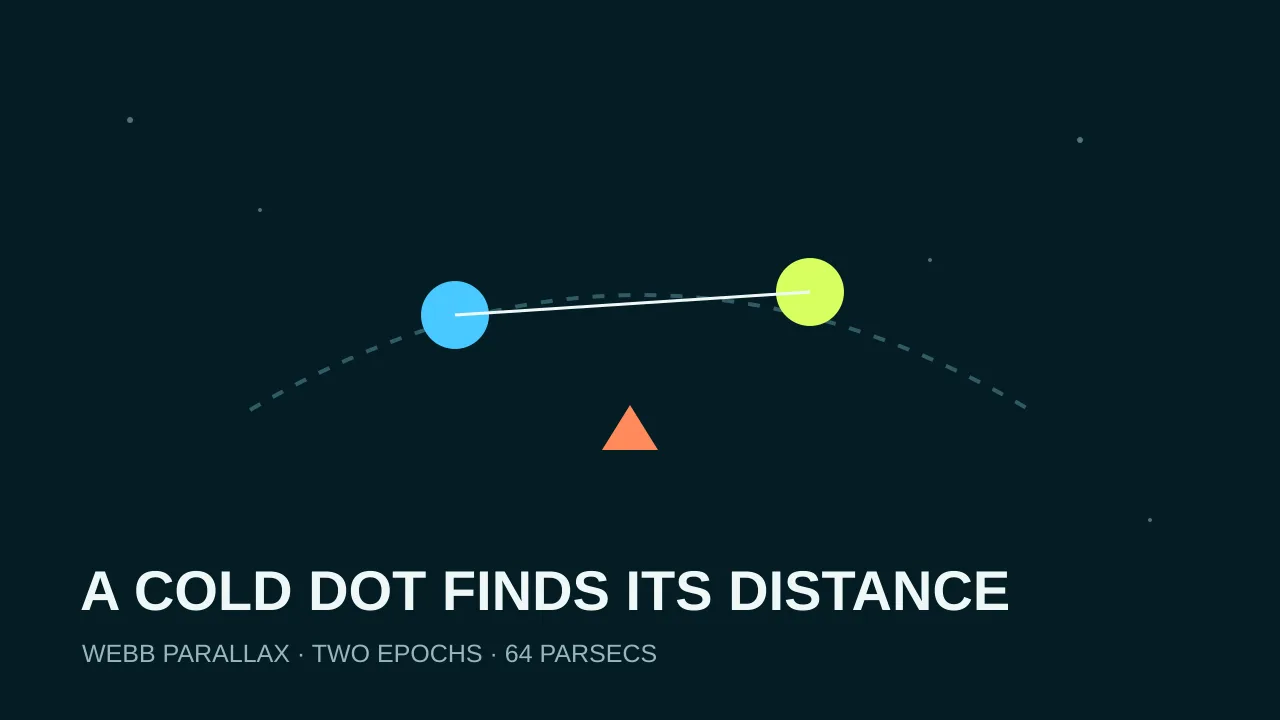
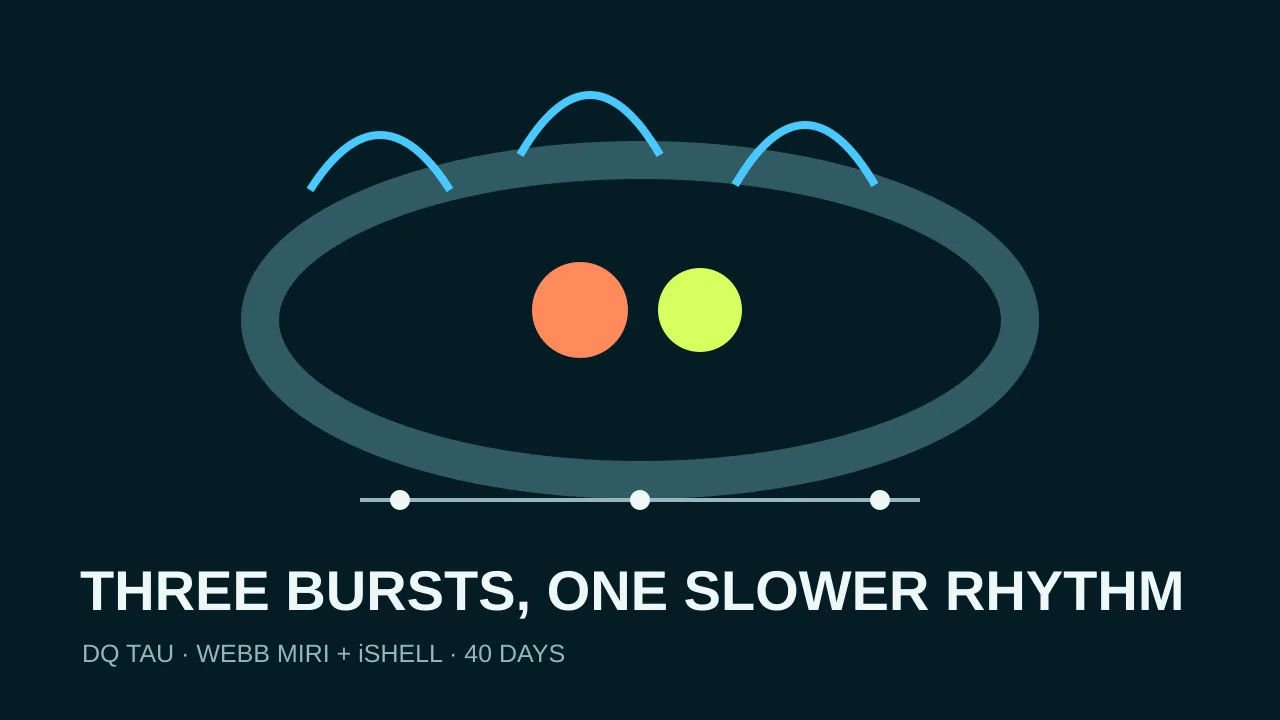
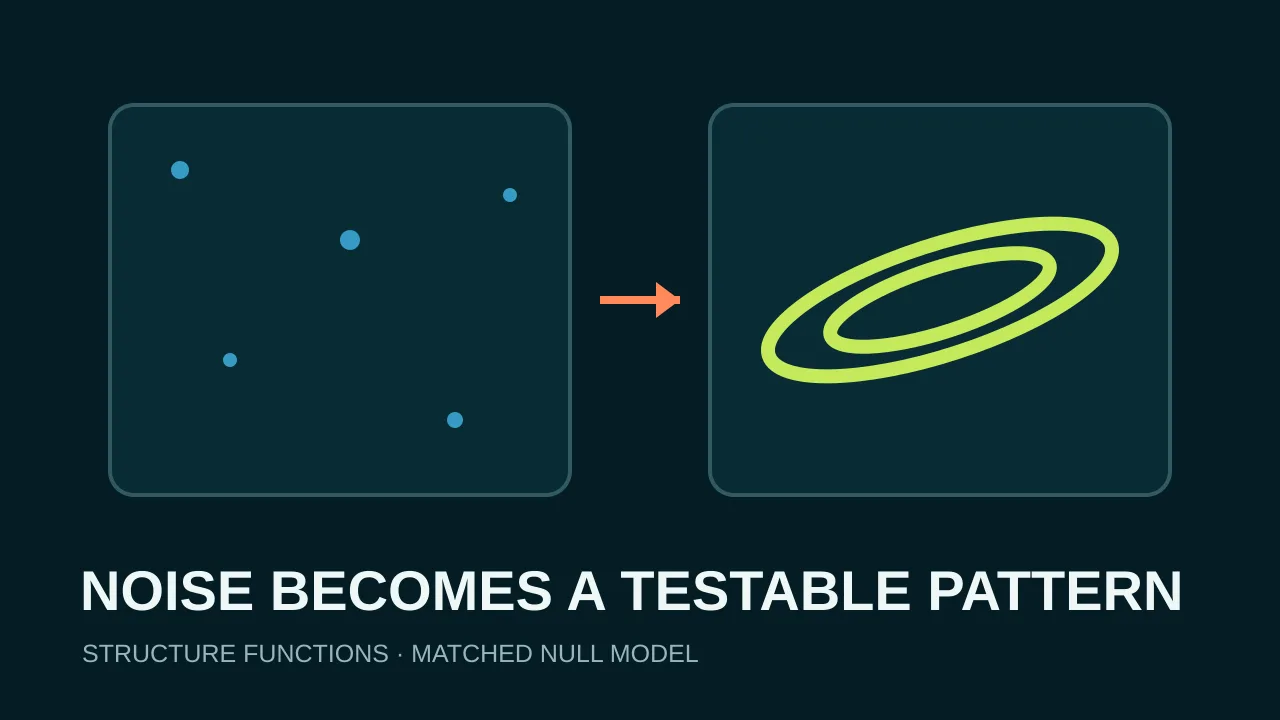
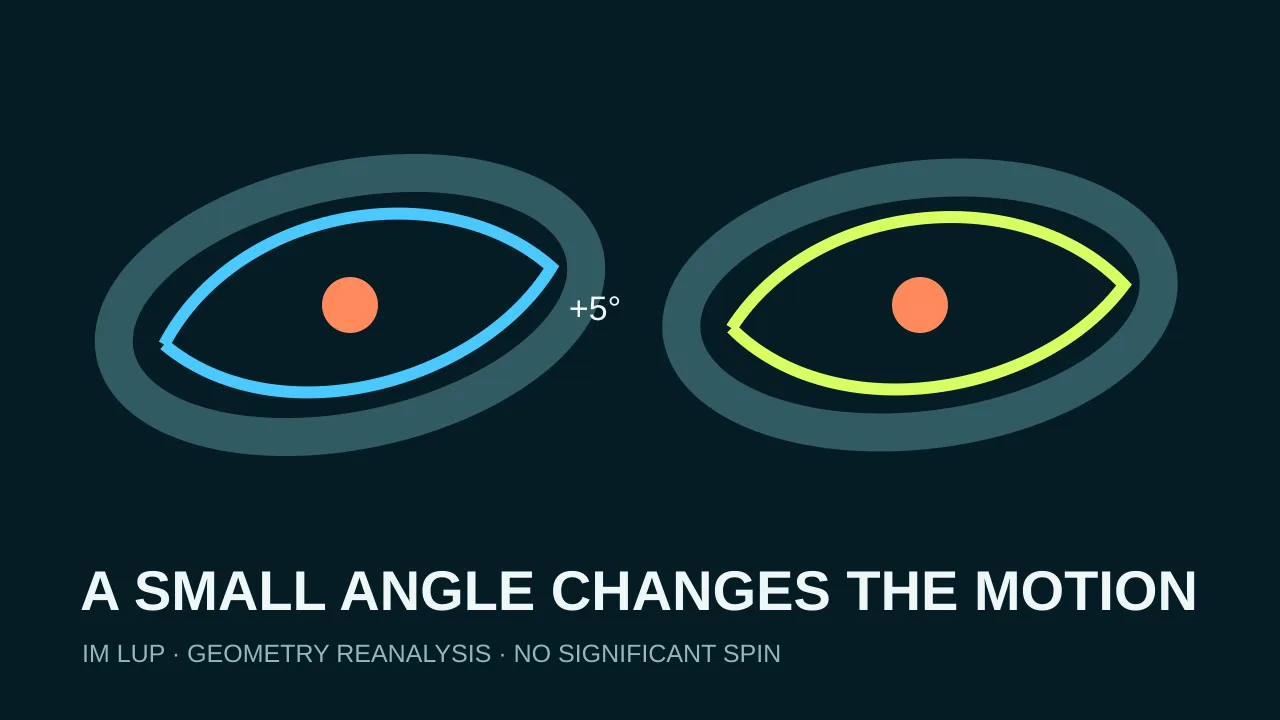
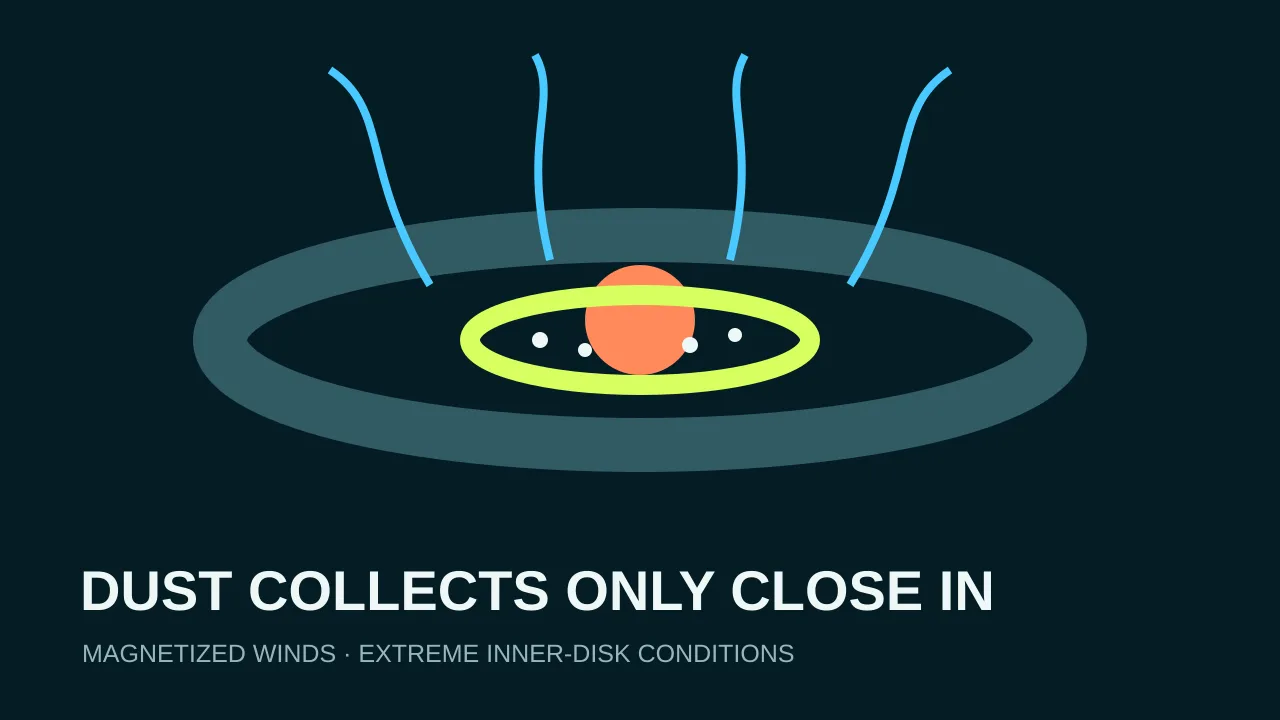
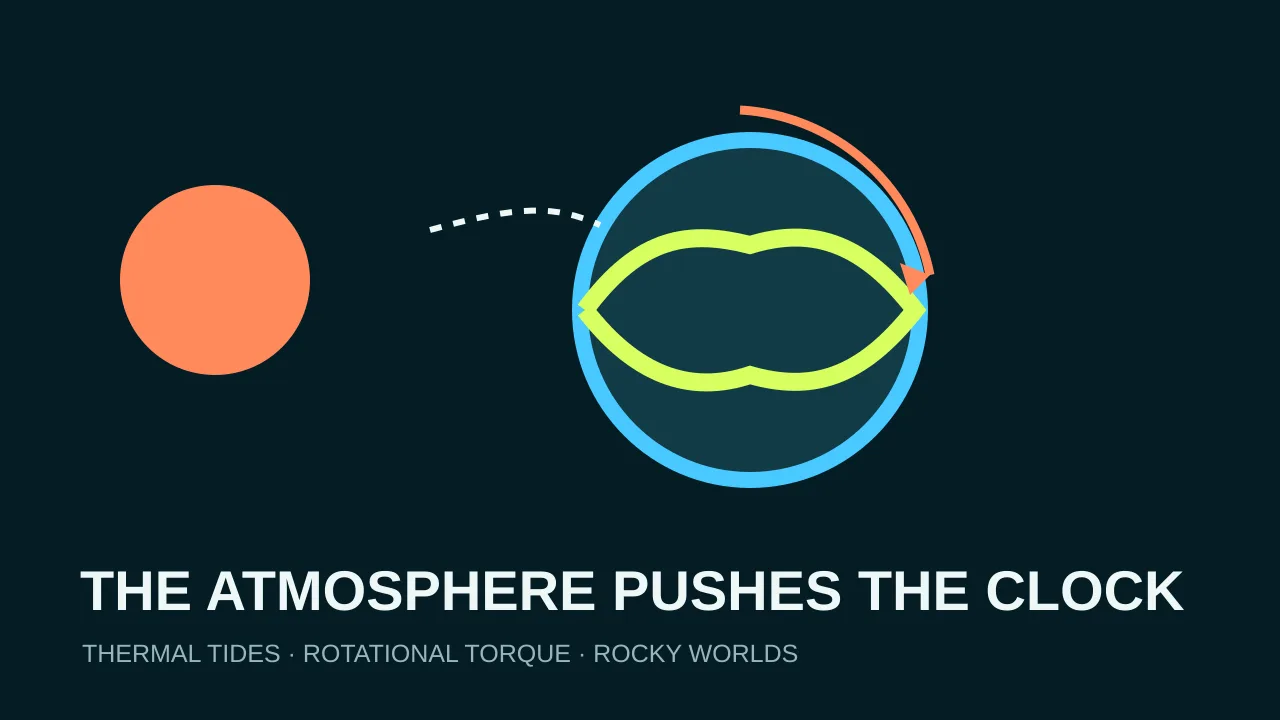
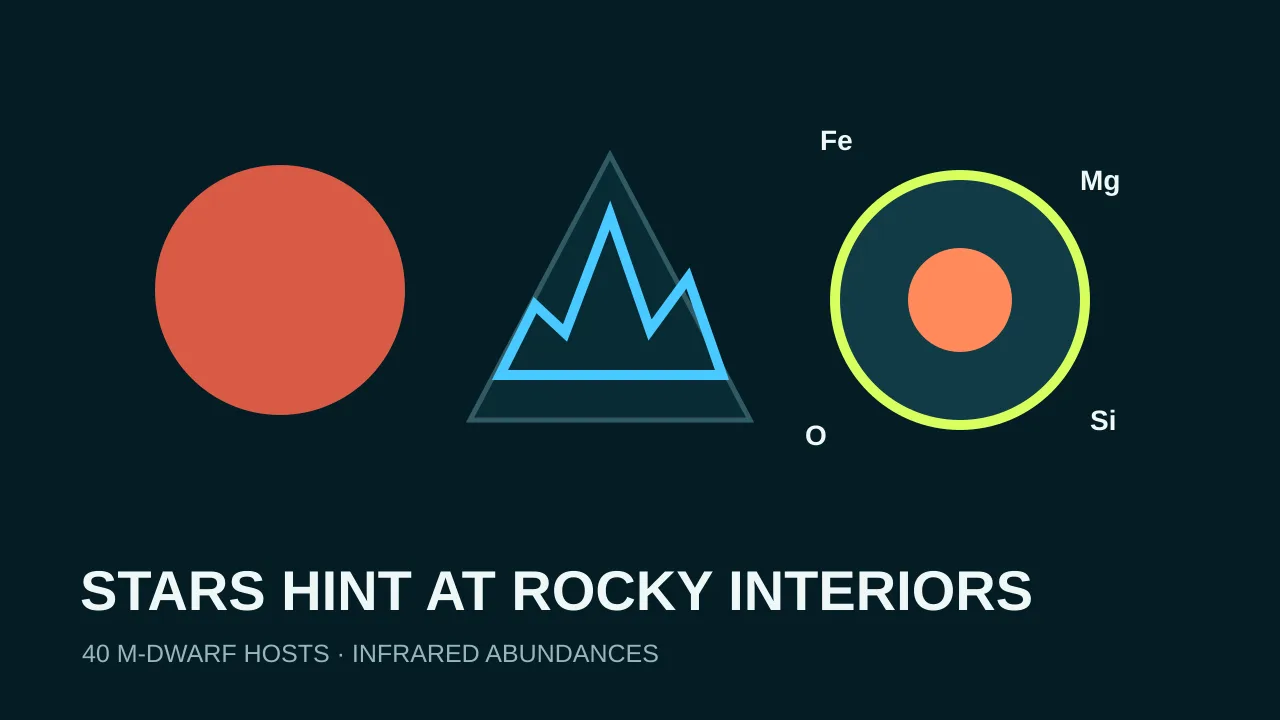
Saturday's edition is a correction-and-calibration board drawn from Friday's new primary-study listings. Webb's deep extragalactic imaging has delivered a robust parallax for JADES-GS-BD-5, placing an exceptionally cold Y dwarf about 64 parsecs away and turning a background-survey interloper into a benchmark for giant-planet atmospheres. Around younger systems, coordinated Webb and ground observations track molecular gas through three DQ Tau accretion bursts, a new statistical method extracts structure from noisy disk-velocity residuals, and a reanalysis finds that IM Lup's famous spiral may not be rotating after all. Two modeling studies examine where magnetized disk winds can concentrate planet-building dust and how atmospheric thermal tides can change a rocky planet's spin, while infrared spectra improve the elemental inventory of forty M-dwarf planet hosts. The official UAP lane remains quiet: no new AARO case resolution, PURSUE release, hearing notice, or consequential government record cleared verification this morning. None of today's studies detects extraterrestrial life, intelligence, or technology.
Good morning, investigators. Today's lead started as the kind of source a deep-field survey might mistake for something much farther away. Two years of Webb imaging instead reveal JADES-GS-BD-5 moving across the sky with a measurable parallax, fixing its distance at about 64 parsecs and making it roughly three times farther than the previous most distant Y dwarfs with parallax measurements. The object is extremely cold and probably in the planetary-mass regime, but it is free-floating and no host system is evident. The disk stories are equally useful exercises in resisting first impressions. DQ Tau's molecular lines fade and narrow across three accretion bursts even while other tracers pulse, pointing to changing disk geometry more than rapid chemistry. A new structure-function framework separates several kinds of simulated turbulence and finds persistent elongated velocity structure in TW Hya, while the IM Lup reanalysis shows that shifting the assumed disk angle by only a few degrees can erase an apparent rotating spiral. The modeling results add boundaries rather than discoveries: wind-dominated disks concentrate dust most effectively only under extreme inner-disk conditions, and atmospheric thermal tides can push rocky planets away from synchronous rotation without telling us what any particular world actually does. Better distances, better geometry, and better null models are the whole desk today—and that is often where the real progress lives.
ED’S HIGH THOUGHT · FICTIONAL HUMOR
Atmospheric tides can change how fast a whole planet spins, so technically the weather can make the day longer. I owe every boss I've ever had an apology and a chart. I wasn't late; the sky moved the clock while I was looking for my other shoe.
Published by Aliens in the Clouds. These AI-assisted summaries link to their sources and distinguish reported claims from established findings. Skinny Ed is a fictional mascot; High Thoughts are comedy. Send a correction with its source.