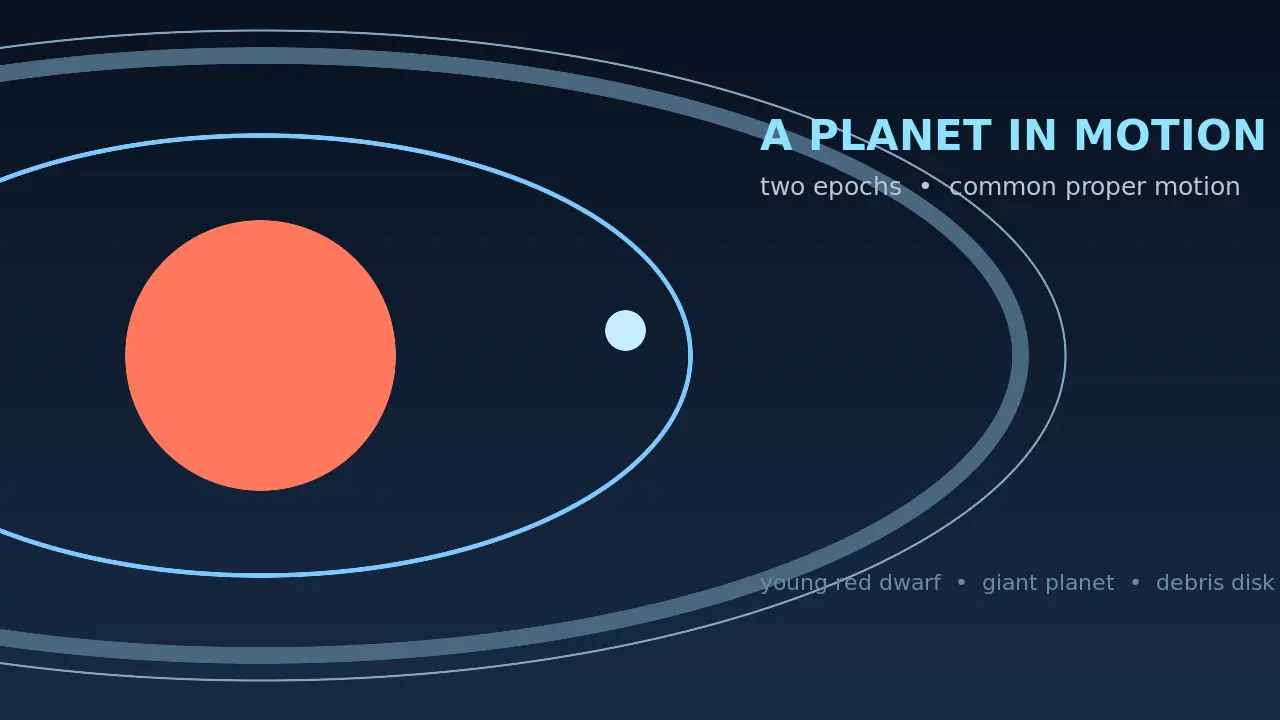
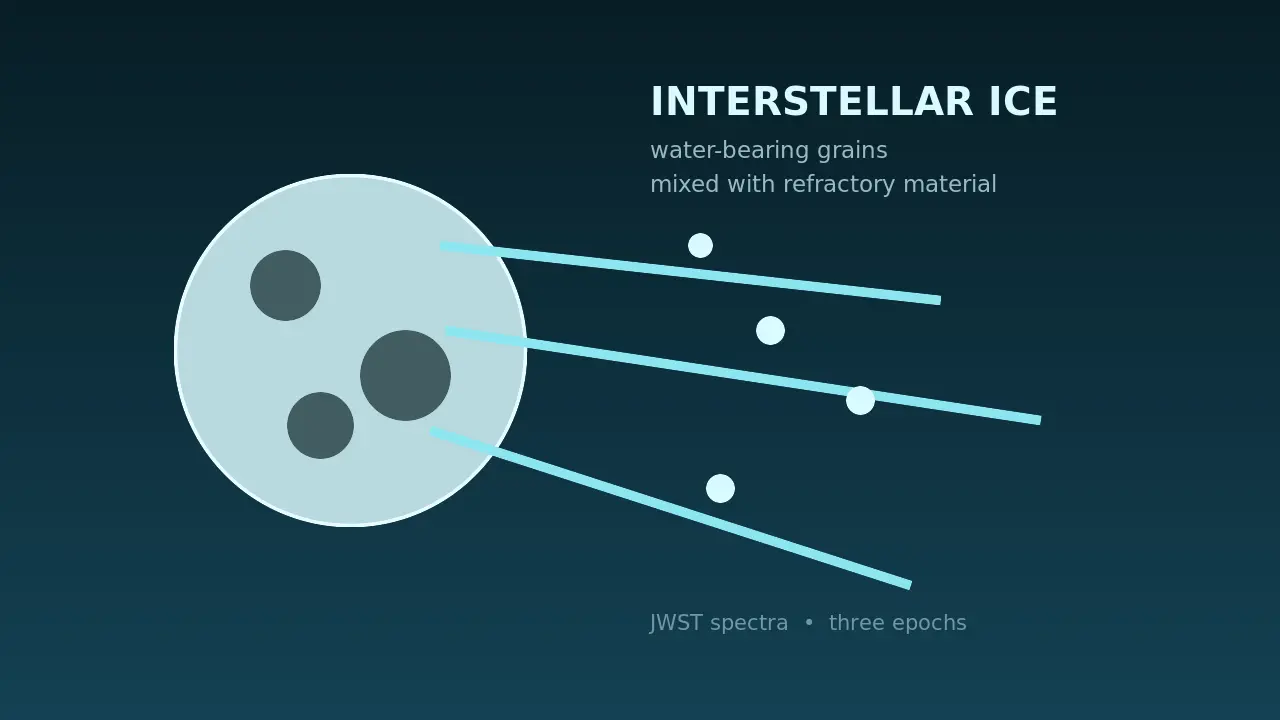
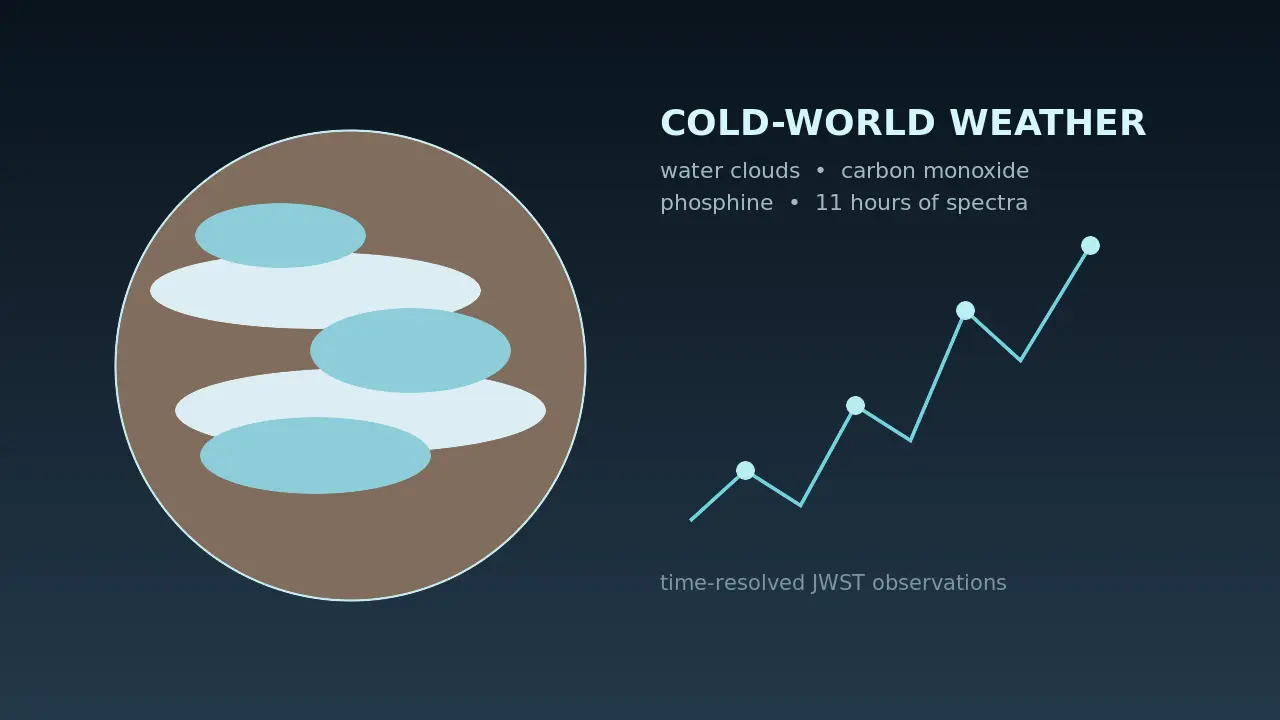
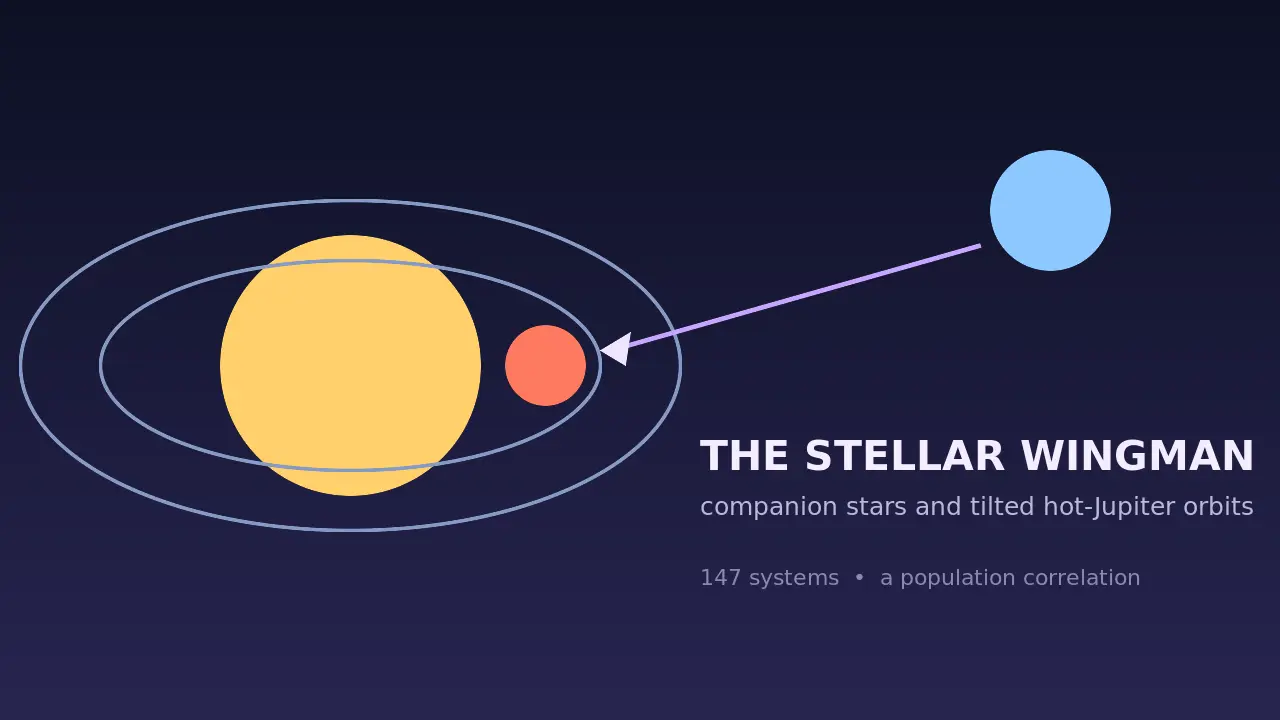
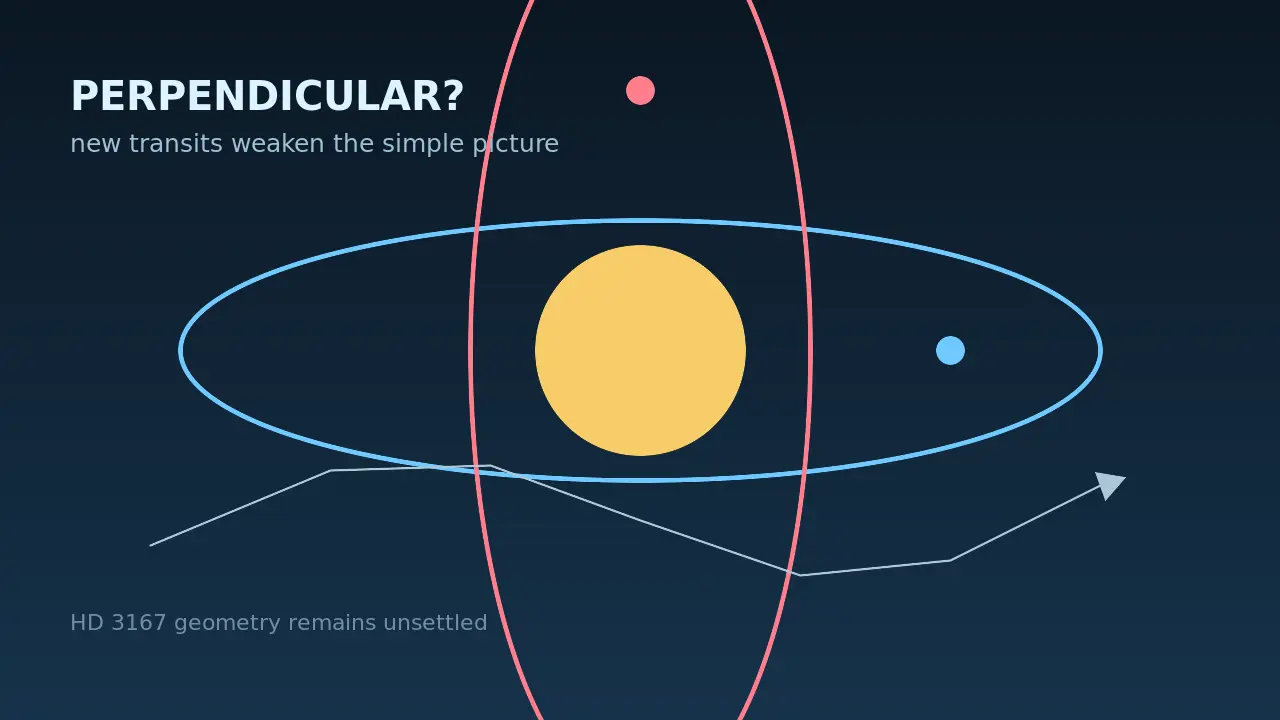
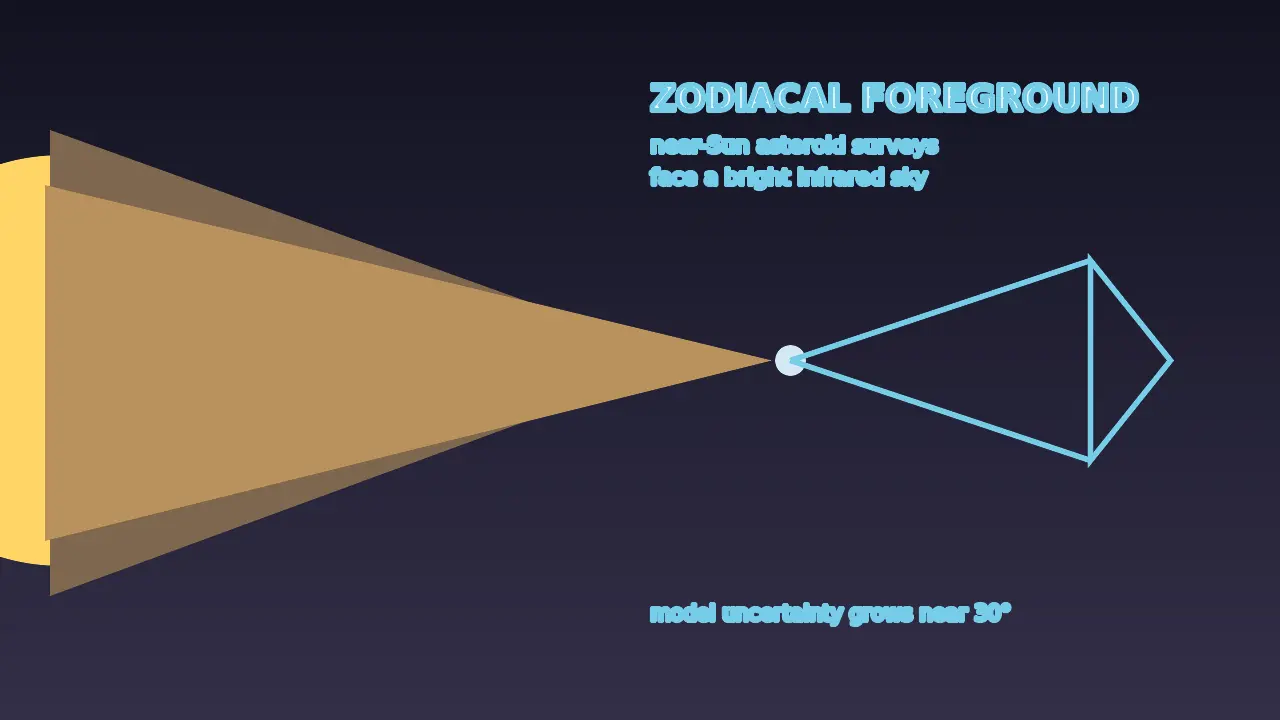
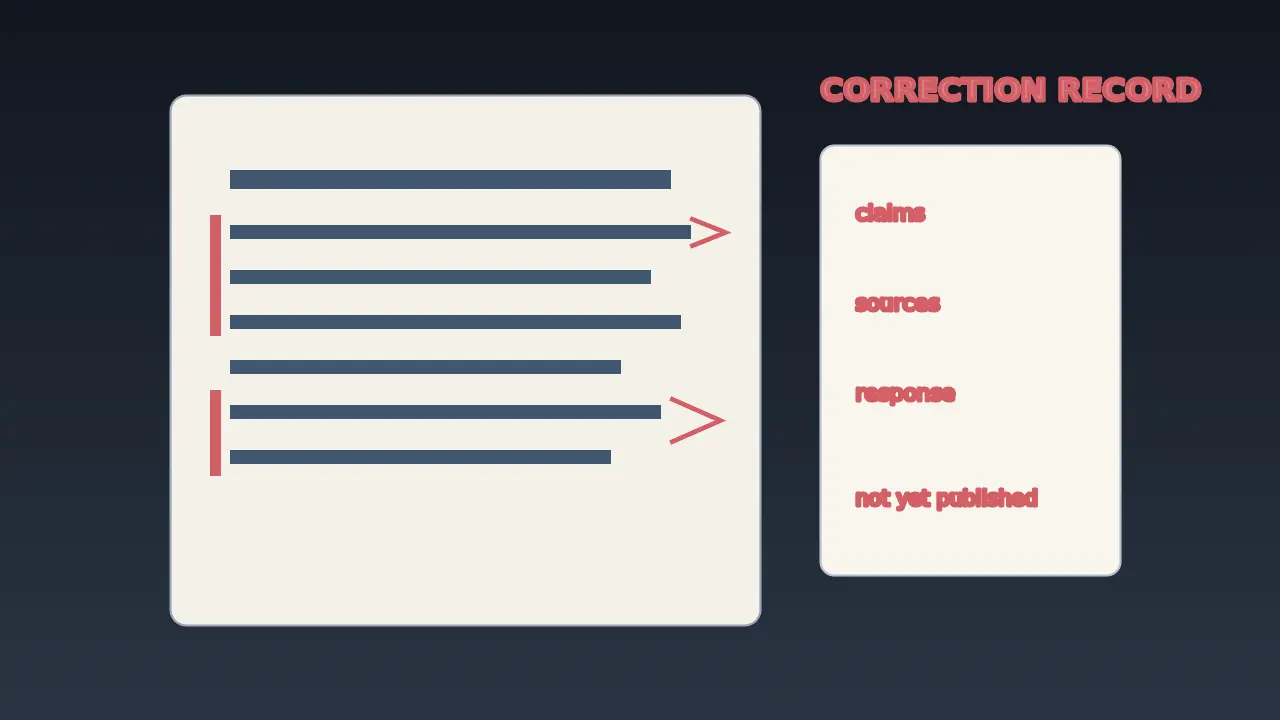
Friday's UAP desk is quiet but not empty. The Disclosure Foundation has published Christopher Mellon's detailed request for corrections to The Wall Street Journal's 2025 UAP reporting and asked the National Press Club to rescind an award; the letter identifies specific disputes, but it is an advocacy document rather than an independent adjudication, and the public page includes no response from either institution. The science desk carries the stronger new evidence. JWST and follow-up imaging reveal one of the lowest-mass directly imaged planets yet, accompanied by a resolved debris disk. Separate JWST work tracks unusual water ice in interstellar comet 3I/ATLAS and patchy water clouds on the coldest known brown dwarf. A 147-system survey links hot Jupiters to stellar companions and orbital misalignment, new transit measurements weaken the famous perpendicular-orbit picture of HD 3167, and a validation study finds that foreground dust remains uncertain where future asteroid surveys will look closest to the Sun. No new AARO case resolution, PURSUE release, verified technosignature, or evidence of nonhuman technology appeared.
Direct Exoplanet Imaging · arXiv · Accepted by ApJ Letters
Good morning, investigators. Today is an excellent demonstration of why ‘new’ can mean discovery, correction, or a clearly framed dispute. The cleanest discovery is RX J0534 b: JWST saw a faint point beside a young red dwarf, the Large Binocular Telescope found it moving with the star sixteen months later, and atmospheric models place it near 2.8 Jupiter masses—while still making clear that the mass depends on age and hot-start assumptions. JWST also finds refractory-rich water-ice aggregates in interstellar comet 3I/ATLAS and changing carbon monoxide, phosphine, and water-cloud structure on WISE 0855, the coldest known brown dwarf. A broad companion-star census makes high-eccentricity migration more plausible for many hot Jupiters, but does not reduce every system to one cause. Keck and ESPRESSO data complicate the claim that HD 3167's planets occupy perpendicular planes, leaving the geometry unsettled rather than simply reversed. A zodiacal-light study warns that the infrared foreground near the Sun—the place NEO Surveyor and NEOMIR need to search—still carries significant modeling uncertainty. Finally, Mellon's newly published letter gives journalists precise assertions to verify about older UAP coverage; publishing a challenge is useful accountability, not proof that the challenge is correct. Seven stories, several corrected confidence levels, and no mystery improved by skipping the footnotes.
ED’S HIGH THOUGHT · FICTIONAL HUMOR
Whoa, dude… 62 percent of hot Jupiters may have a stellar companion, and the ones with nearby companions are almost twice as likely to end up sideways. That means hot Jupiters are not migrating alone—they are being egged on by a binary wingman. ‘Bro, dive straight at the star; tides will totally circularize you.’ Ten million years later the planet is incandescent, sideways, and missing half its atmosphere, while the companion is 2,000 AU away telling everybody they only met once at a nebula. Astronomy just proved every catastrophic orbit begins with, ‘My friend knows a gravitational shortcut.’
Published by Aliens in the Clouds. These AI-assisted summaries link to their sources and distinguish reported claims from established findings. Skinny Ed is a fictional mascot; High Thoughts are comedy. Send a correction with its source.