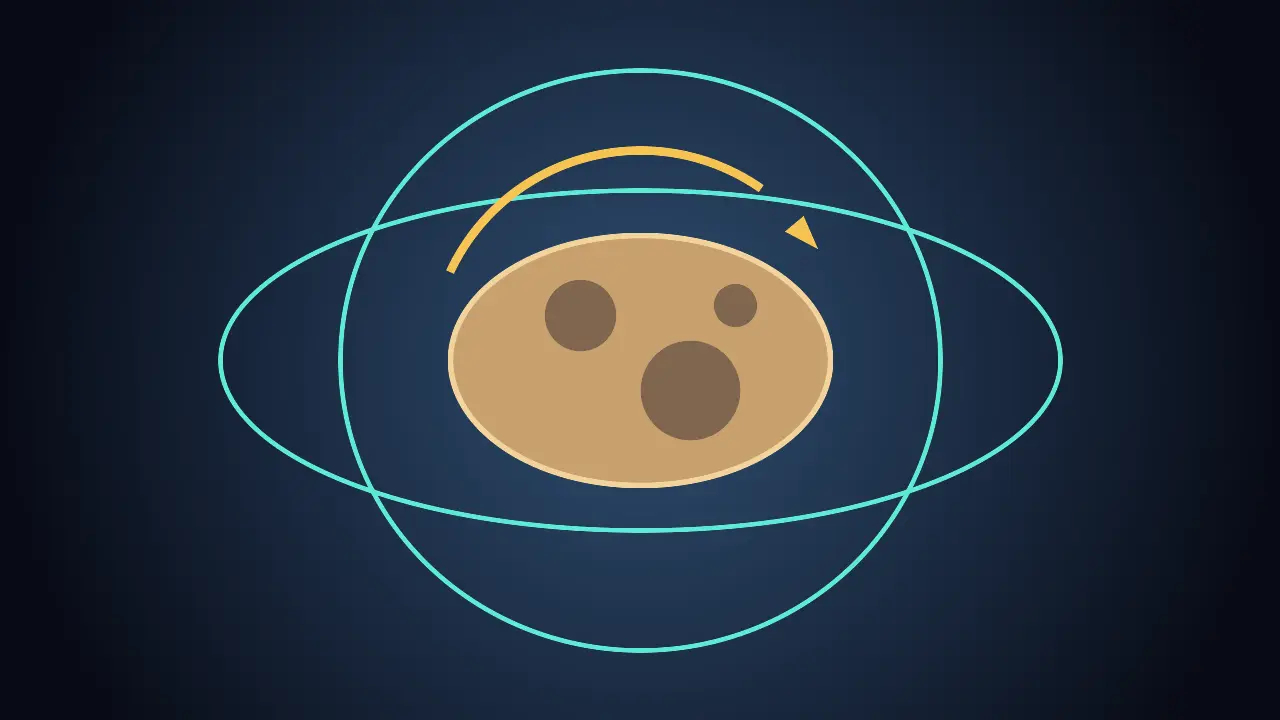
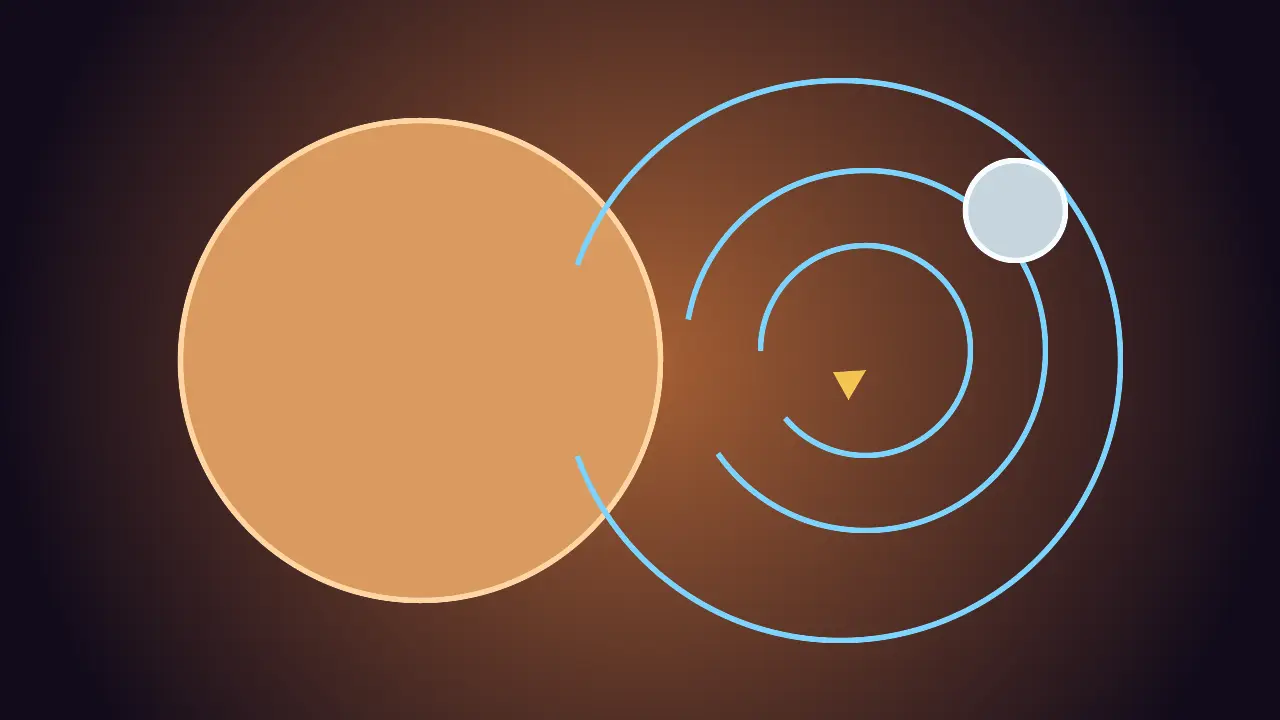
Tuesday brings a concrete UAP policy change: the Department of War has issued a targeted legal waiver allowing current and former personnel and contractors to share protected UAP-related defense information with designated PURSUE representatives. The protection is narrow—it does not authorize public disclosure—and the information still faces security review and possible declassification. The science desk is unusually full. Freshly listed work measures asteroid 2024 YR4 as a fast-spinning, roughly 61-meter object that poses no Earth or Moon impact risk for at least a century; traces how Ceres' surface spectra may weather in two stages; benchmarks how ESA's PLATO mission could recover small transits efficiently; models a possible moon's tidal demise at Venus; and asks whether asymmetric solar mass loss could eventually destabilize the outer planets. Six new source-level developments, one real reporting channel, and no released evidence of nonhuman technology or extraterrestrial life.
Good morning, investigators. The headline today is legal plumbing, and this time the pipe is real. The Department of War says current and former service members, civilians, and contractors may give UAP-related National Defense Information to designated PURSUE representatives without triggering civil or administrative penalties in existing NDAs or Special Access Program agreements. That is a protected government channel—not a hall pass for podcasts, press conferences, or public file dumps—and whatever enters it still faces review. The science board supplies a useful contrast between detection and inference. JWST data pin 2024 YR4 to a rapid 19.46-minute spin and about 61 meters across while ruling out an Earth or Moon impact for at least 100 years. Dawn spectra suggest Ceres' fresh surface first shifts blue and later reddens; PLATO simulations show multiple transit pipelines can recover similar numbers of injected planets at very different computing costs. Venus may have destroyed a former moon only within a restricted range of starting conditions, and the Sun's future mass loss may shake the giant planets far sooner than smooth models predict. Every item today moves a boundary. None turns the boundary into a spaceship.
ED’S HIGH THOUGHT · FICTIONAL HUMOR
Okay, hear me out… Venus didn't lose a moon; she invented the solar system's first slow cooker. One rotation takes 243 Earth days, so any moon circling her is basically a dumpling left on LOW until gravity makes it fall off the bone. Earth spins fast and flings our Moon outward because we're a salad spinner. Venus just closes the lid and whispers, ‘Give it another 600 million years.’ When DAVINCI samples the atmosphere, it won't find lunar debris—it'll find one colossal gravy molecule and a crater shaped exactly like a serving spoon.
Published by Aliens in the Clouds. These AI-assisted summaries link to their sources and distinguish reported claims from established findings. Skinny Ed is a fictional mascot; High Thoughts are comedy. Send a correction with its source.