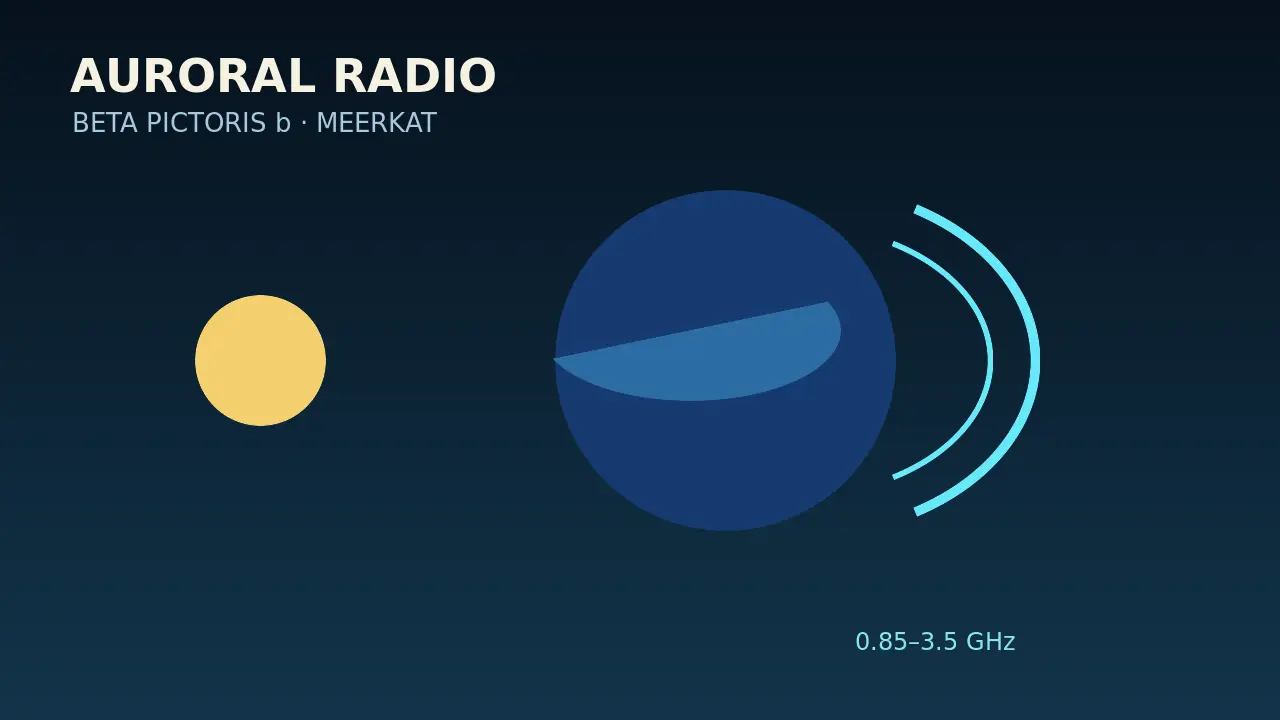
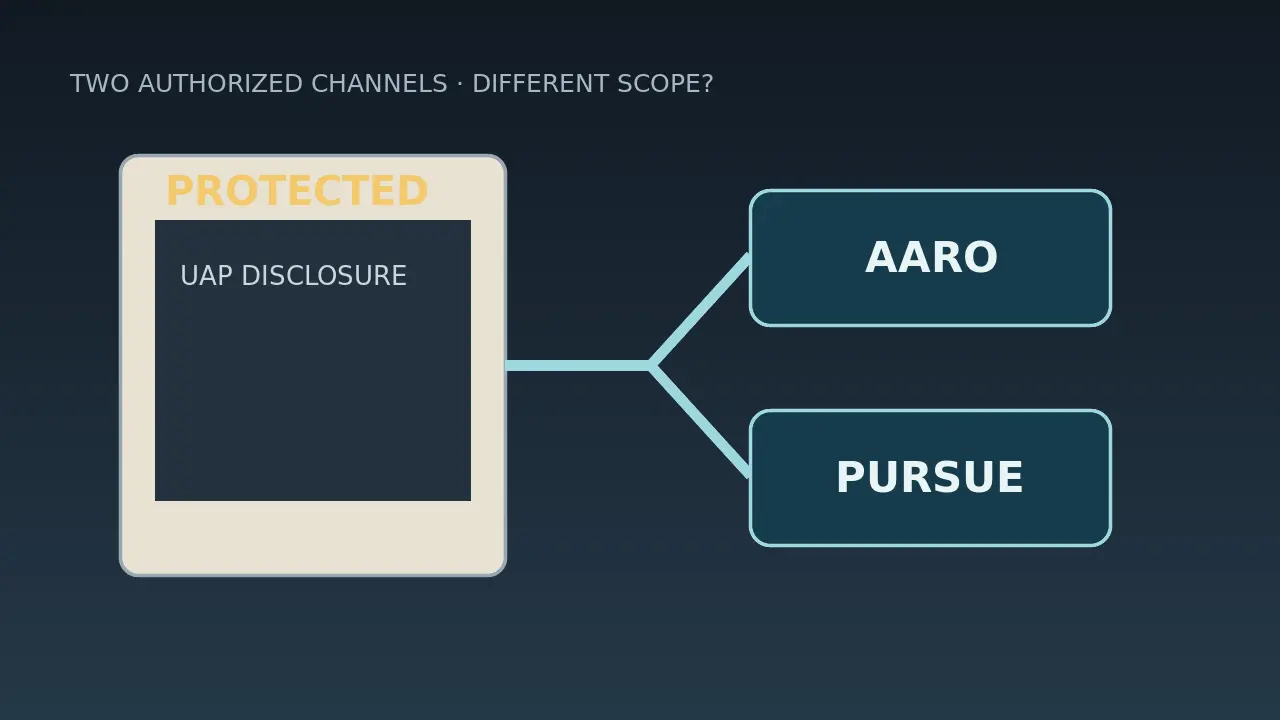
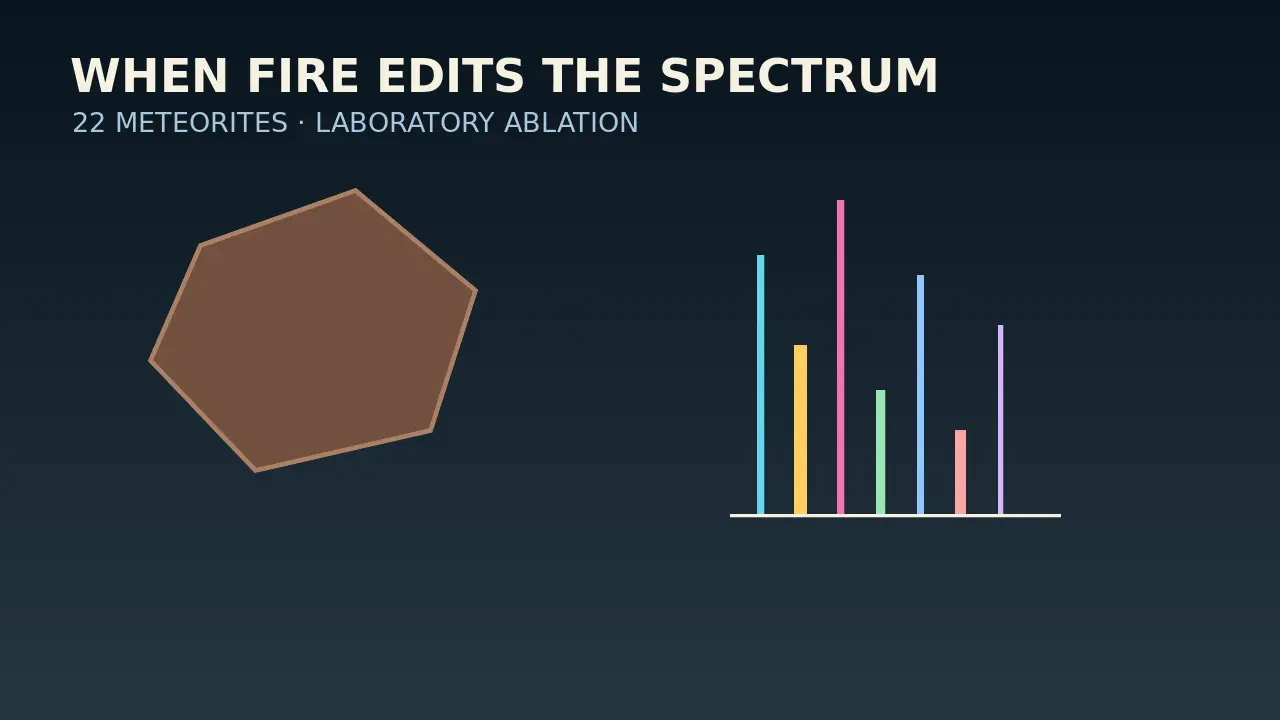
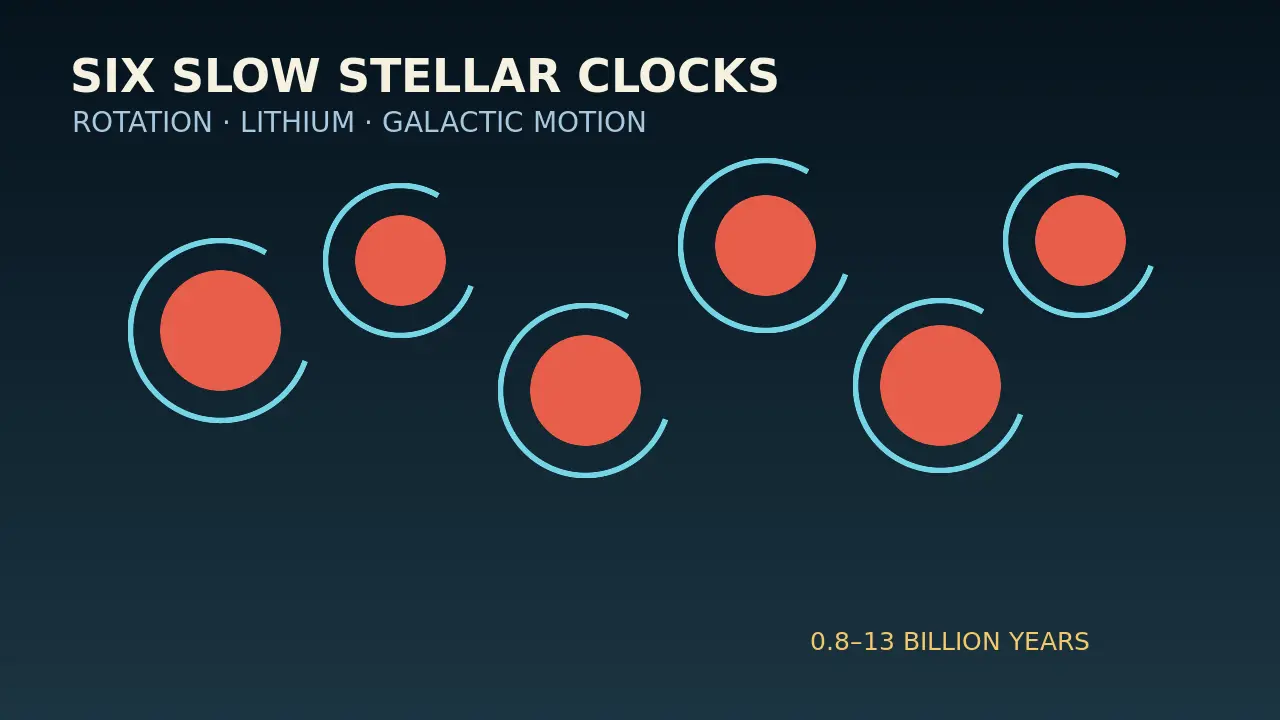
Wednesday's strongest signal is literal radio: a newly submitted MeerKAT study reports rapid, polarized bursts localized to the giant exoplanet Beta Pictoris b and interprets them as auroral emission from a magnetic field at least 1.25 kilogauss strong. It is a natural planetary claim, not a technosignature, and it still awaits peer review and independent confirmation. The UAP desk adds an important correction to yesterday's PURSUE waiver: document-based analysis shows that AARO already had a protected path for classified UAP disclosures, while the new announcement explicitly names PURSUE and Special Access Program agreements without publishing the underlying directive. Three other accepted studies rescue a possible planet from Kepler's false-positive bin, map rock clouds and heat flow on a hot Jupiter, and estimate the ages of stars hosting temperate sub-Neptunes. A laboratory meteor study closes the board with a warning that a bright plasma spectrum can misrepresent the rock that made it. No PURSUE Release 06, new AARO case resolution, technosignature, or evidence of nonhuman technology appeared.
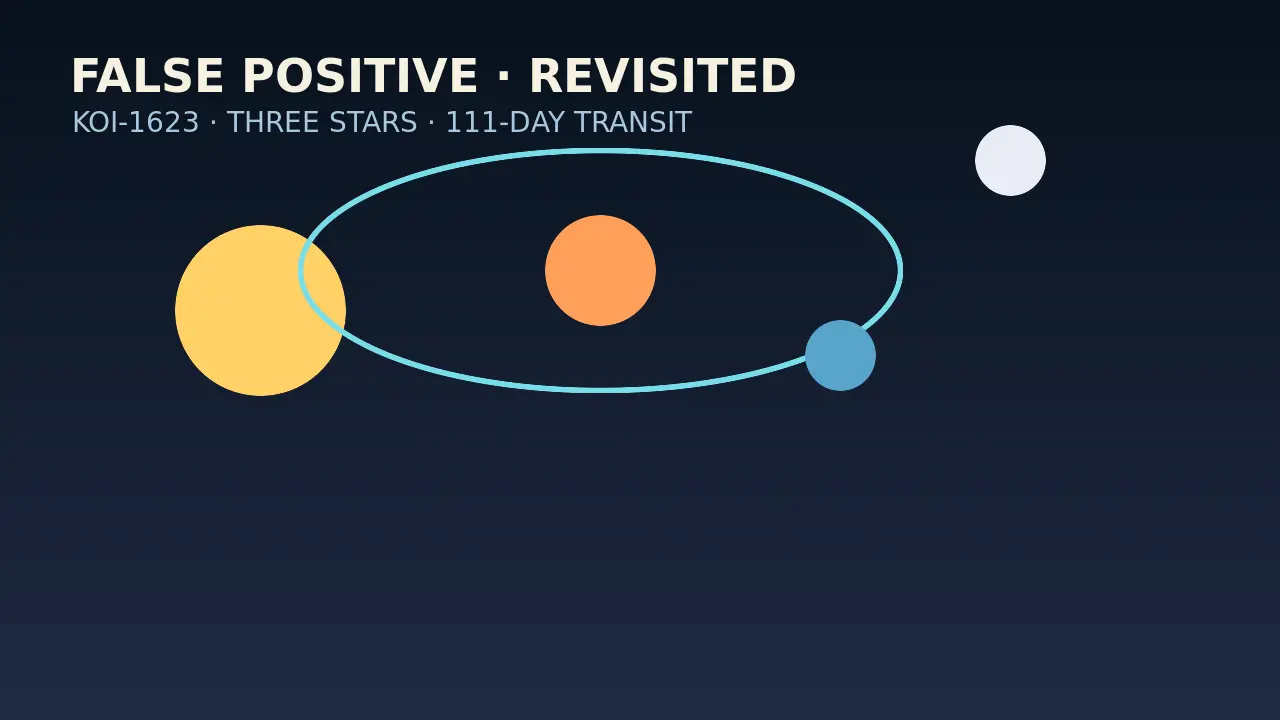
Updated astrometry and high-contrast imaging place the 111-day transit around a companion star—and suggest dozens of rejected Kepler candidates deserve another look.
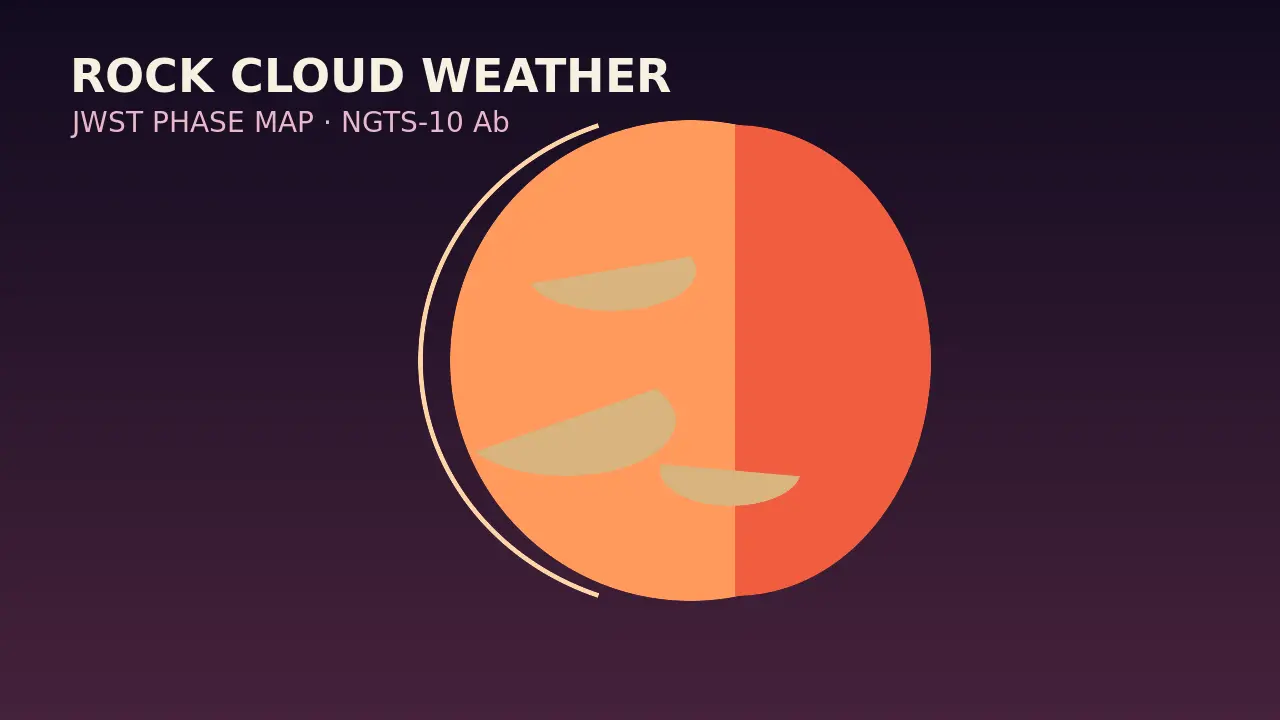
Good morning, investigators. Today's lead is what happens when the word signal gets treated like a measurement instead of a mood. MeerKAT detected recurring, highly polarized radio bursts at Beta Pictoris b; the authors attribute them to an auroral process and infer the first directly measured magnetic-field strength for an exoplanet. That is a large claim in planetary science and exactly zero evidence of a broadcaster. Back on the UAP beat, The Black Vault's comparison of the new PURSUE waiver with earlier AARO law and FOIA records supplies needed perspective: a protected government intake channel already existed, while the unpublished directive leaves the new channel's extra legal reach unresolved. Kepler's rejected pile may contain roughly seventy real planets hidden by blended stars, including a giant candidate in the habitable zone of a secondary star in KOI-1623. JWST separates heat from reflected light on NGTS-10 Ab and finds a likely patchwork of silicate clouds, while a second team dates six slow-spinning M-dwarf hosts—including K2-18 and TOI-270—to better frame their planets' histories. Finally, laboratory meteor plasmas remind us that the loudest spectral elements are not necessarily the most abundant ones. Six useful measurements, several disciplined caveats, and no one authorized to call auroral radio alien Top 40.
ED’S HIGH THOUGHT · FICTIONAL HUMOR
Whoa, dude… the first exoplanet radio station is broadcasting from Beta Pictoris b, and I know exactly why: it is the emergency weather channel for planets with rock clouds. ‘Tonight: auroras, magnetic fields, and a 100 percent chance the sky throws gravel sideways.’ The DJ is a charged particle screaming into a 1.25-kilogauss magnet, every caller wins a windshield, and the station mascot is one extremely nervous umbrella wearing a motorcycle helmet.
Published by Aliens in the Clouds. These AI-assisted summaries link to their sources and distinguish reported claims from established findings. Skinny Ed is a fictional mascot; High Thoughts are comedy. Send a correction with its source.