Astronomical Data Resource
NASA's fireball database gives bright meteors a timestamp and a caution label
Worth Revisiting: CNEOS publishes U.S. Government sensor detections with times, locations, energy estimates, and occasional velocities—while warning that the list is incomplete and subject to revision.
Briefed August 20, 2026 · Aliens in the Clouds
Worth Revisiting
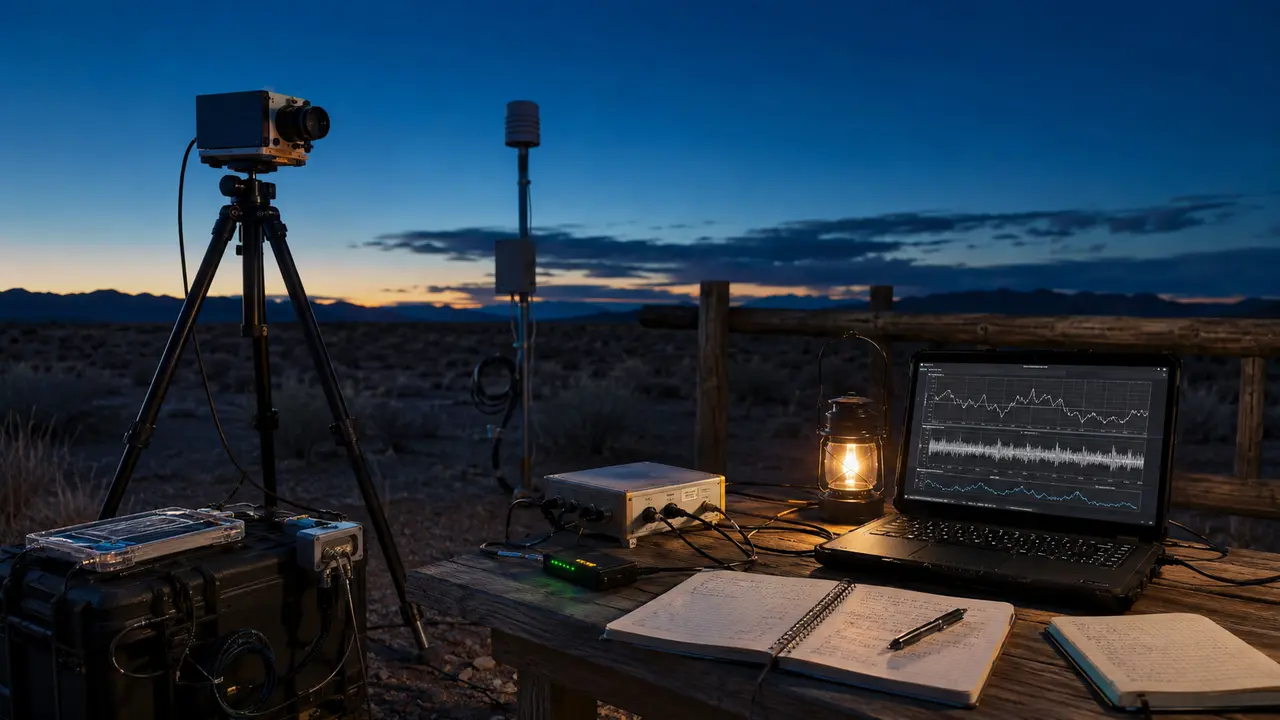
NASA JPL's Center for Near Earth Object Studies maintains a public table and map of fireballs and bolides detected by U.S. Government sensors. Records can include UTC time, approximate latitude and longitude, altitude, velocity components, radiated energy, and estimated impact energy; downloadable and machine-readable formats support systematic searches.
CNEOS states that it does not independently verify or reanalyze these government detections, that parameters may change when updates arrive, and that not every fireball is reported in real time—or at all. A database match can anchor a very bright atmospheric event, but it should be compared with local reports, camera geometry, weather, and other sensor data before being treated as a complete reconstruction.
Why it matters
Bright meteors can be seen across wide regions and generate startling video; a timestamped sensor record is a stronger starting point than guessing from brightness or color.
What the source establishes
The public records are official sensor-derived data with explicit limitations. Absence from the catalog does not rule out a meteor, and inclusion does not make every listed parameter exact.
Published by Aliens in the Clouds. These AI-assisted summaries link to their sources and distinguish reported claims from established findings. Skinny Ed is a fictional mascot; High Thoughts are comedy. Send a correction with its source.