Tracking Resource
Goldstone’s asteroid watchlist shows what radar can actually measure
Worth Revisiting: JPL’s live planning table publishes range, sky position, uncertainty, and expected signal strength for radar-detectable near-Earth asteroids.
Briefed August 14, 2026 · Aliens in the Clouds
Worth Revisiting
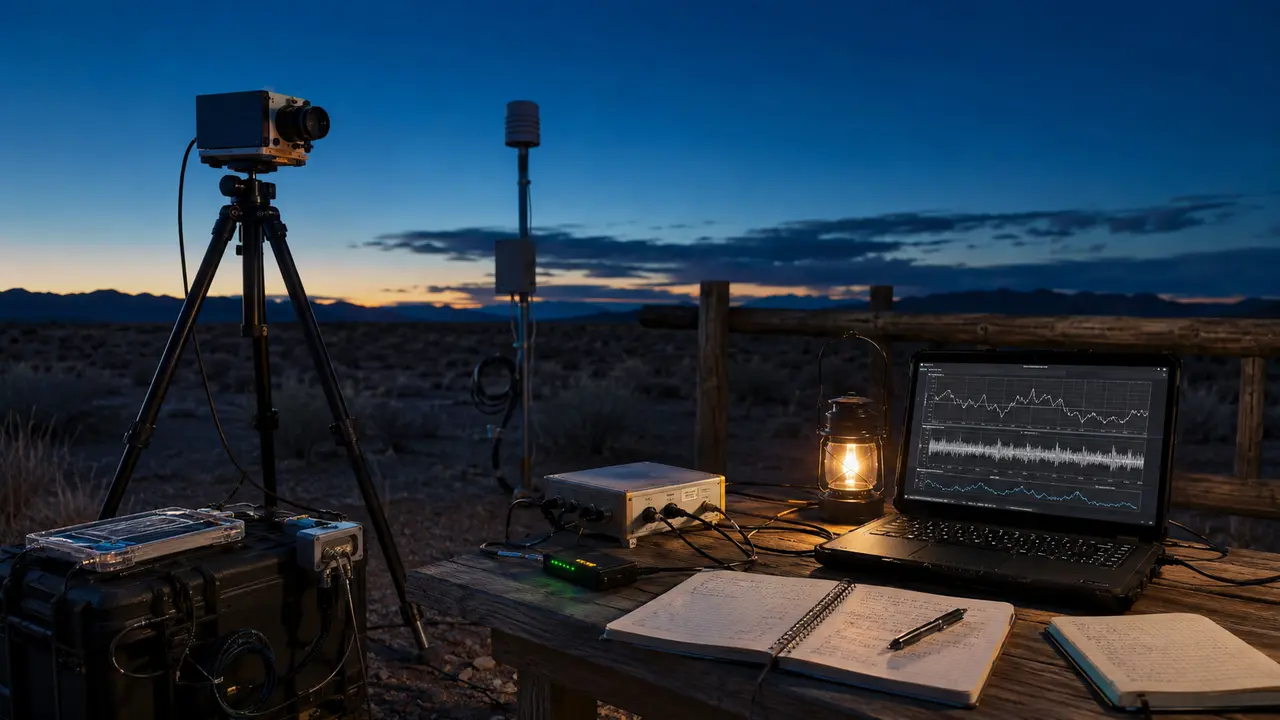
NASA’s Jet Propulsion Laboratory maintains a rolling 90-day list of asteroids detectable by the Goldstone Solar System Radar. The page is built for observation planning rather than spectacle: for each target it provides UTC rise and set times, approximate sky position, range from Earth, possible transmit-and-receive cycles, predicted signal-to-noise ratios, and several uncertainty measures.
Goldstone uses the 70-meter DSS-14 antenna in California’s Deep Space Network. By transmitting at 8,560 megahertz and measuring the returning signal, radar observations can refine an asteroid’s orbit and constrain physical properties that an ordinary point of light cannot reveal. Detectability on the list means a useful echo is expected under stated assumptions; it does not mean the object threatens Earth.
Why it matters
The table is a compact lesson in responsible object tracking: distance, geometry, timing, uncertainty, and instrument sensitivity belong beside any claim about motion.
What the source establishes
A radar opportunity is not an impact warning. JPL’s page forecasts whether Goldstone can detect a target; planetary-defense risk is assessed separately from orbital data.
Published by Aliens in the Clouds. These AI-assisted summaries link to their sources and distinguish reported claims from established findings. Skinny Ed is a fictional mascot; High Thoughts are comedy. Send a correction with its source.