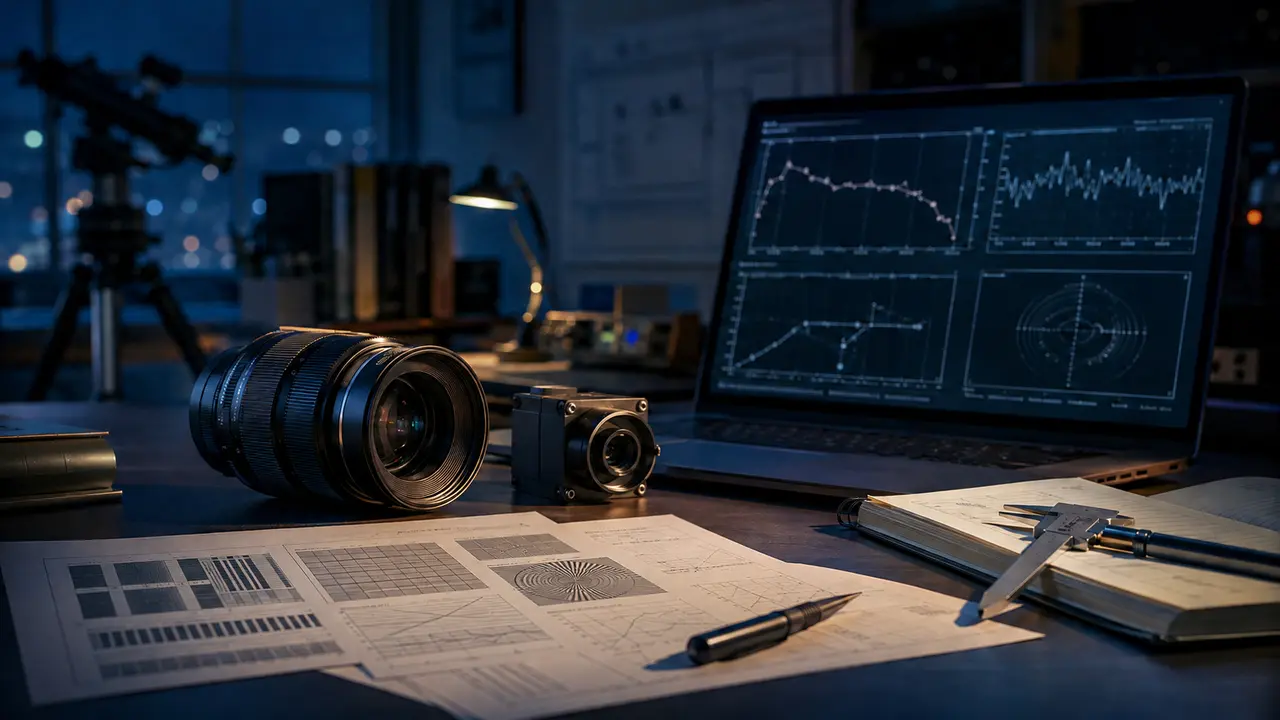
ESA lets us hear stars wobble—and listen for distant worlds
A new Expedition Sound episode translates Gaia starquake data into audio and connects stellar vibrations with Plato’s coming search for exoplanets.
Confirmed
Read the story & sourcesTHE SKINNY ED REPORT · ARCHIVED EDITION
A new way to hear real astronomy data leads a quiet-news edition, followed by five carefully labeled resources on asteroid radar, video provenance, public records, a survivor planet, and an ancient interstellar comet.
A new Expedition Sound episode translates Gaia starquake data into audio and connects stellar vibrations with Plato’s coming search for exoplanets.
Confirmed
Read the story & sources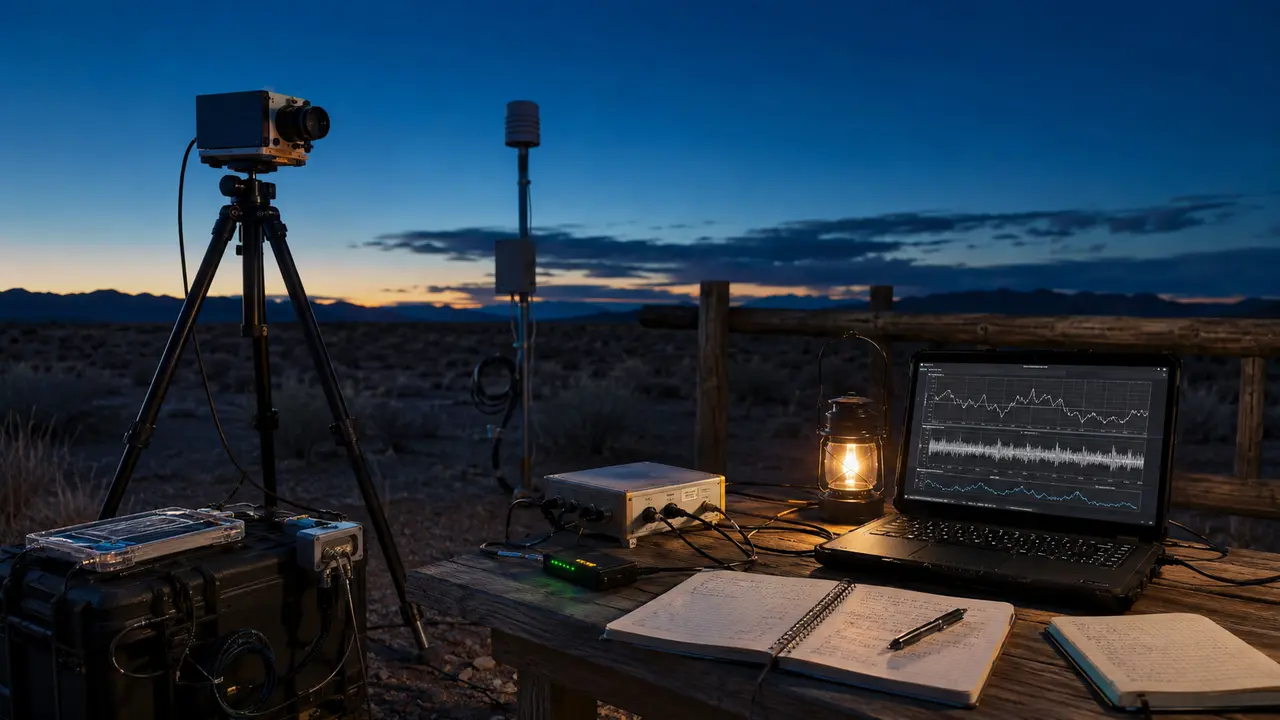
Worth Revisiting: JPL’s live planning table publishes range, sky position, uncertainty, and expected signal strength for radar-detectable near-Earth asteroids.
Worth Revisiting
Read the story & sources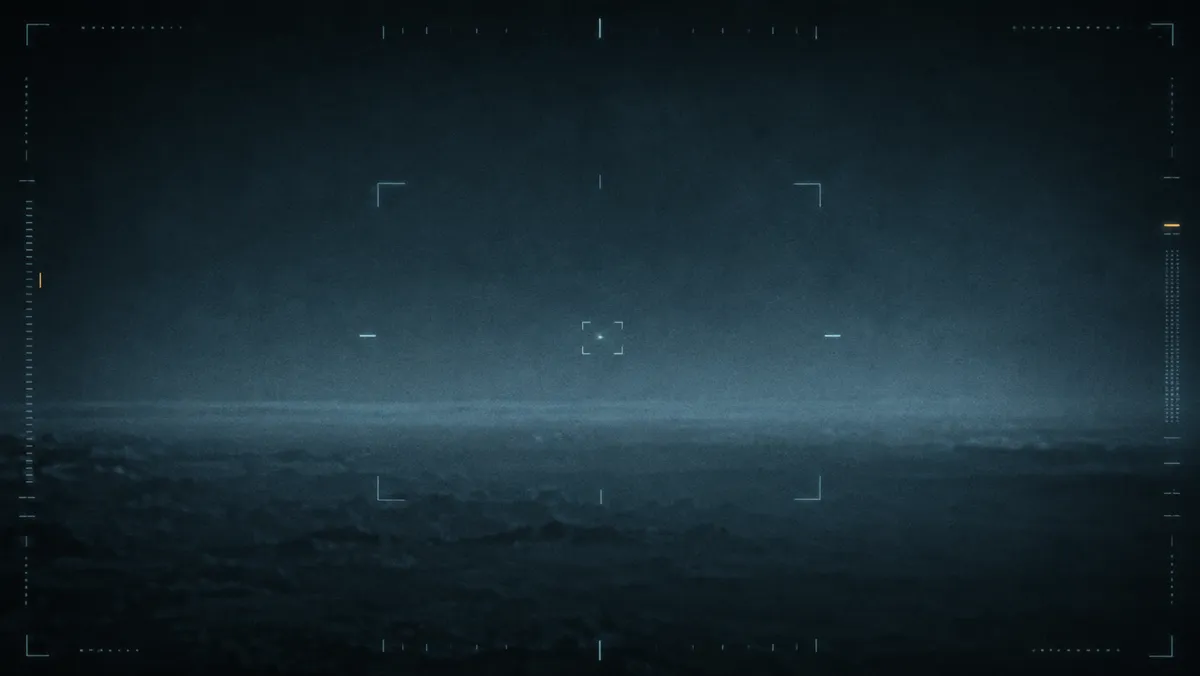
Worth Revisiting: AARO says a five-minute Syrian UAP video was digitally changed before it entered a classified network, making provenance part of the evidence.
Worth Revisiting
Read the story & sources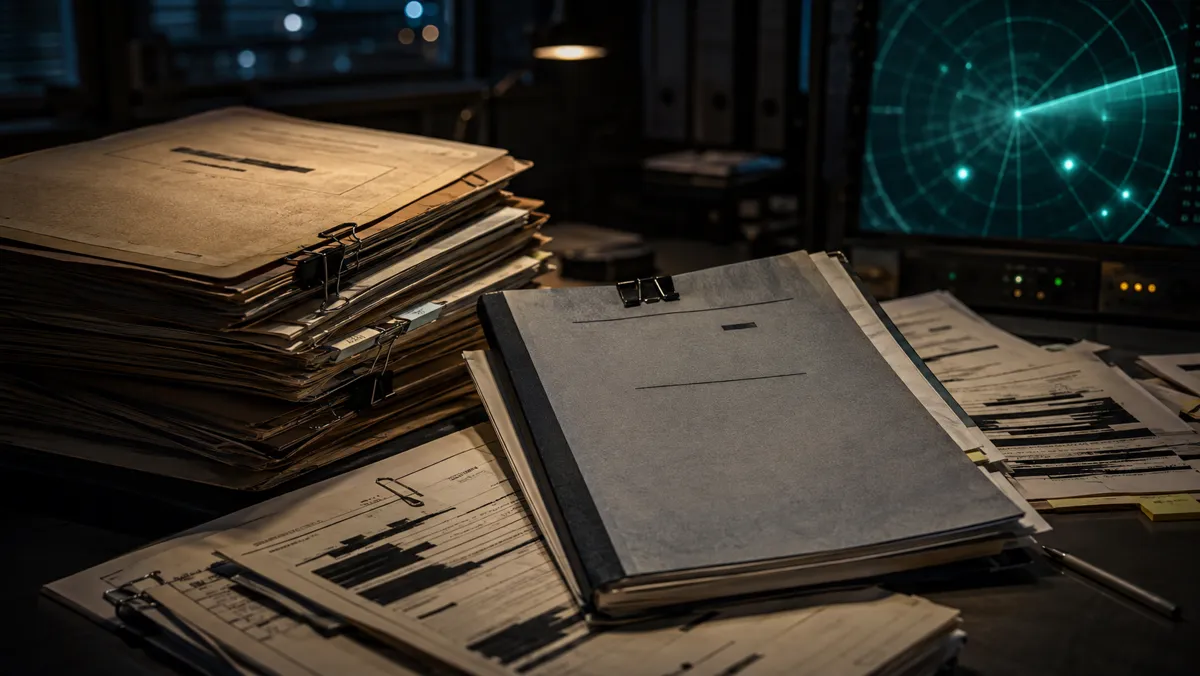
Worth Revisiting: the electronic reading room gathers prior UAP-related FOIA responses so investigators can see what has already been requested and released.
Worth Revisiting
Read the story & sourcesWorth Revisiting: temperature, mass, and atmospheric measurements show WD 1856 b probably migrated inward billions of years after its star became a white dwarf.
Worth Revisiting
Read the story & sources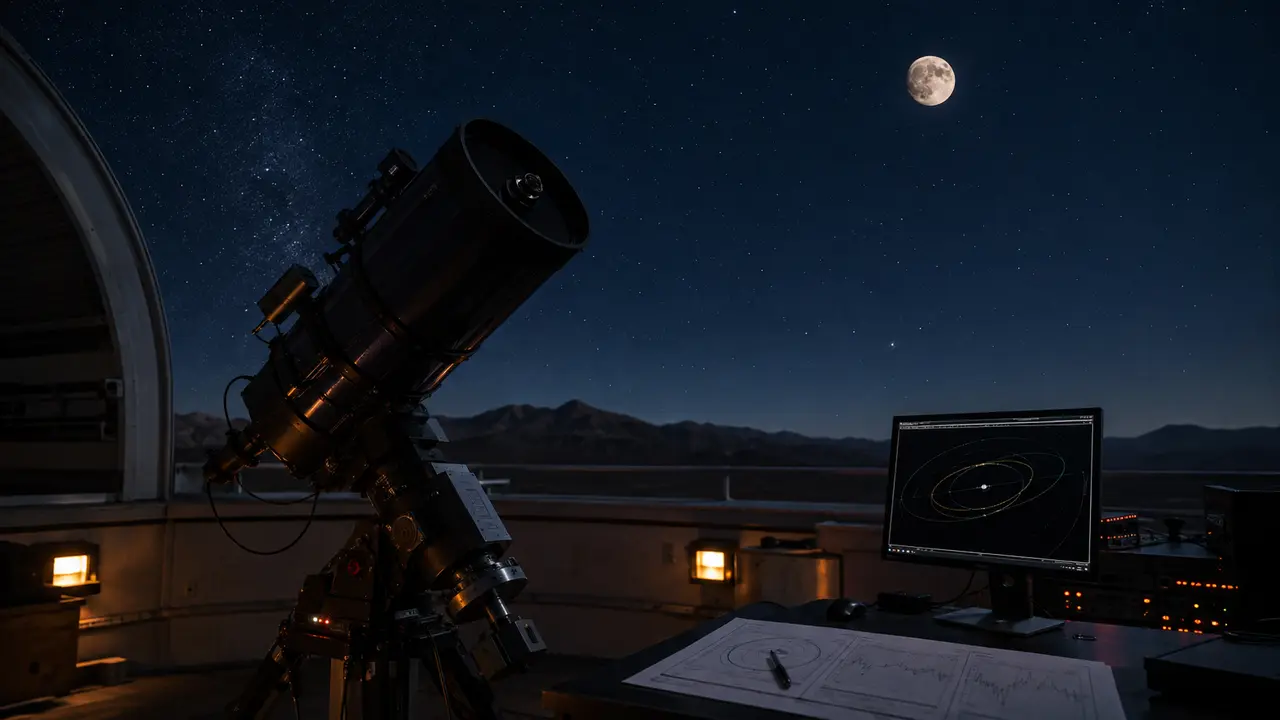
Worth Revisiting: Webb measured unusual carbon and heavy-hydrogen ratios that point to formation in a cold, ancient part of the galaxy.
Worth Revisiting
Read the story & sourcesGood morning, investigators. The fresh signal today arrives through headphones: ESA’s new Expedition Sound episode turns Gaia measurements of starquakes into sound, then uses those stellar wobbles to explain how Plato will search for exoplanets. The UAP news cycle itself is quiet, so we are not manufacturing an emergency. Instead, the rest of the board is practical: Goldstone’s radar team publishes the geometry behind its asteroid watchlist; AARO shows why edits made before a video reached analysts matter; its FOIA room provides a route to previously released records; and Webb gives us two excellent examples of extraordinary-sounding objects becoming more interesting through measurement—a planet surviving its star’s death and an interstellar comet carrying chemistry older than the Sun. Today’s theme is provenance: where a signal came from, what happened to it, and which instrument can test it. I have labeled the headphones, calibrated the telescope, and placed the emergency crackers beyond the asteroid’s minimum safe distance.

ED’S HIGH THOUGHT · FICTIONAL HUMOR
Whoa, dude… what if asteroids are alien ships wearing the space equivalent of a fake mustache? Radar looks over and sees a boulder, but inside there are six grays crouched below the windows whispering, ‘Act geological.’ One of them always ruins it by microwaving nachos and lighting up the whole crater.
Published by Aliens in the Clouds. These AI-assisted summaries link to their sources and distinguish reported claims from established findings. Skinny Ed is a fictional mascot; High Thoughts are comedy. Send a correction with its source.