Official Defense Release
Army test shows why one sensor cannot settle an aerial mystery
A newly published XVIII Airborne Corps report describes live evaluations of counter-drone sensors and the effort to fuse their different strengths into one usable airspace picture.
Briefed August 20, 2026 · Aliens in the Clouds
Confirmed Program Activity
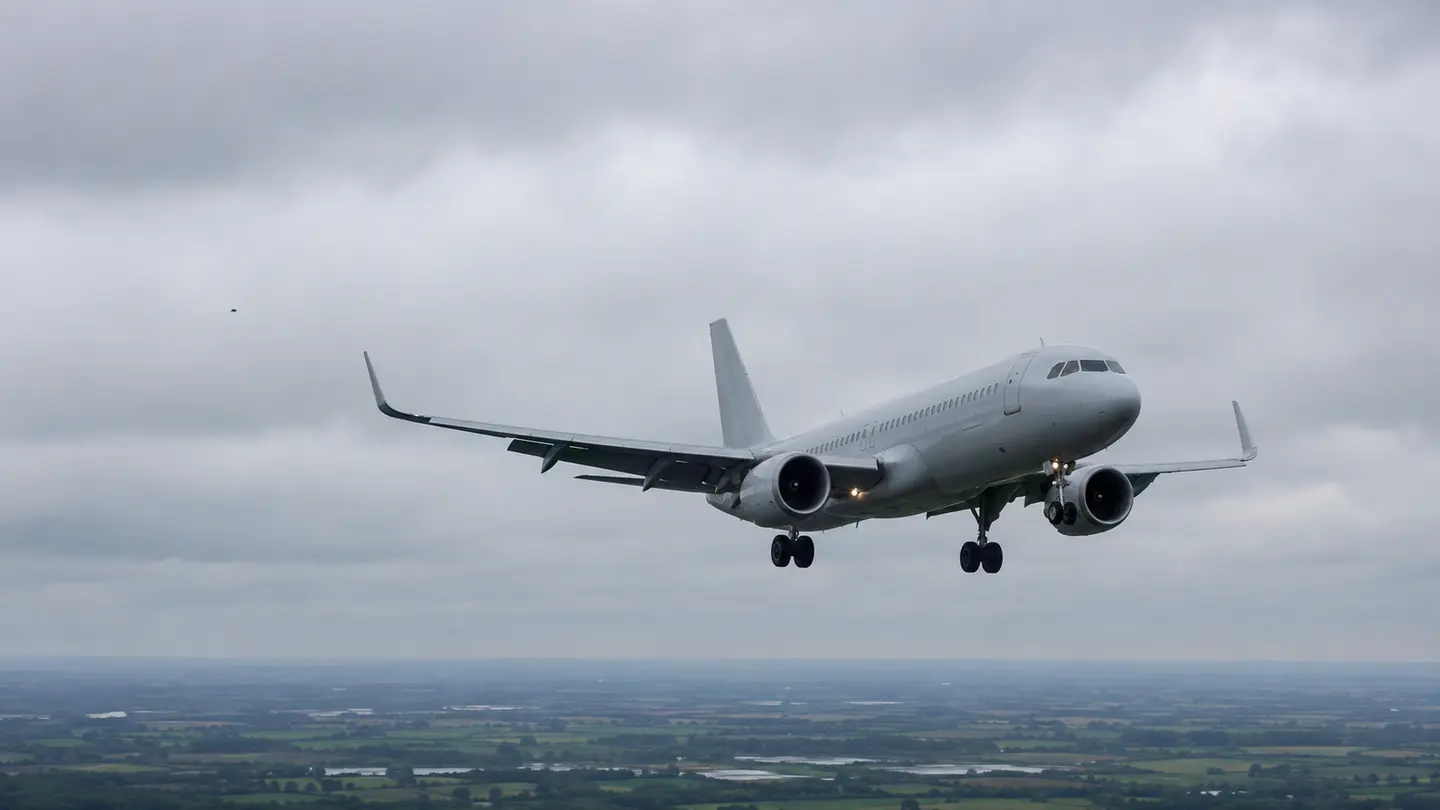
XVIII Airborne Corps says more than 50 companies joined a Counter-UAS Integration and Planning Conference at Fort Bragg from August 11 through 13. Sensor makers, command-and-control developers, communications providers, and common-operating-picture companies tested how their systems performed alone and together, including live evaluations against representative unmanned-aircraft threats.
The Army's stated goal was not to find one device that detects every kind of drone. Evaluators examined what each sensor could detect, track, and characterize, then how complementary outputs could be combined into a faster and more accurate airspace picture. The work will feed September's Scarlet Dragon exercise. It is a counter-UAS capability report—not a UAP case resolution—but its multi-sensor logic is directly relevant to investigating unidentified objects.
Why it matters
Radar, optical, infrared, acoustic, and identification systems have different blind spots; reliable conclusions improve when independent measurements are synchronized rather than asking one ambiguous clip to carry the case.
What the source establishes
Confirmed by an August 18 XVIII Airborne Corps public-affairs release. The report describes a military evaluation and its objectives; it does not publish vendor-by-vendor performance data or identify any extraordinary object.
Published by Aliens in the Clouds. These AI-assisted summaries link to their sources and distinguish reported claims from established findings. Skinny Ed is a fictional mascot; High Thoughts are comedy. Send a correction with its source.