Research Explainer
SETI and UAP research ask a similar question with very different tools
Worth Revisiting: one field designs repeatable astronomical searches; the other usually begins with an unexpected observation close to Earth.
Briefed August 12, 2026 · Aliens in the Clouds
Worth Revisiting
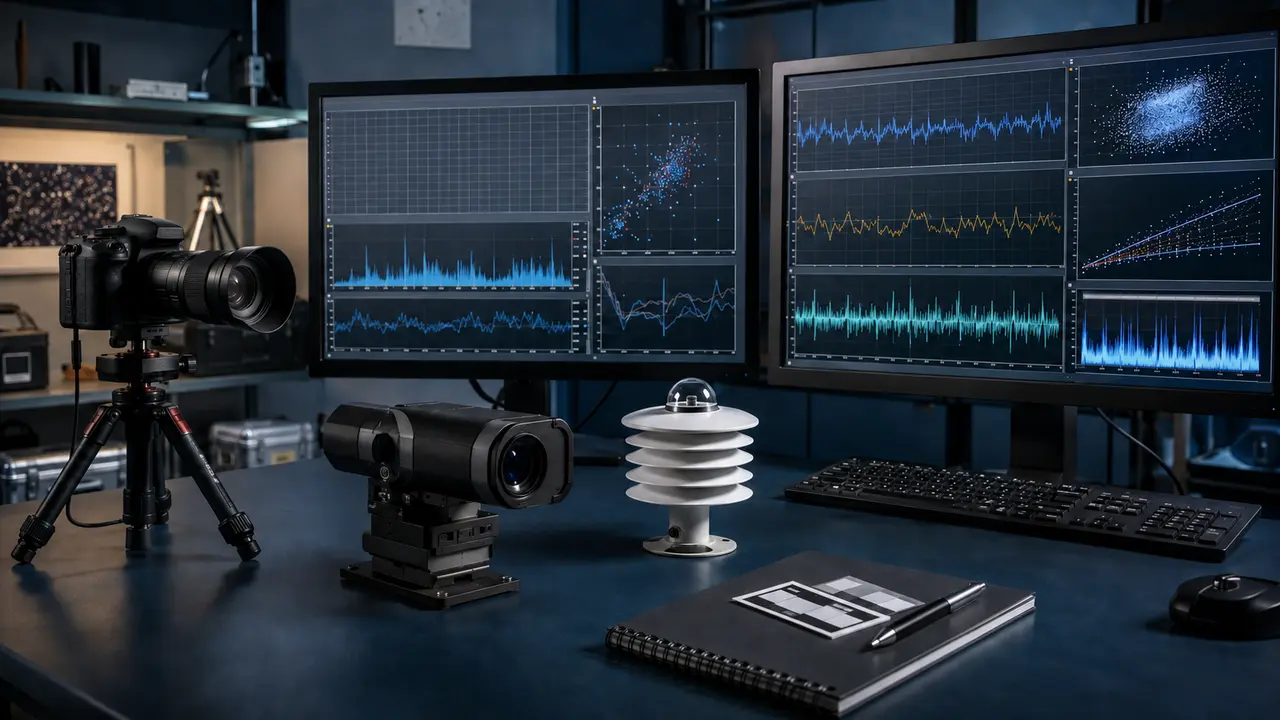
A SETI Institute explainer separates two subjects that are often merged online. SETI deliberately searches distant star systems for technosignatures such as narrow-band radio or optical signals and tests candidates against interference, equipment faults, and independent observations. UAP research more often begins with an unplanned visual, photographic, or radar event in Earth’s atmosphere.
That difference shapes the evidence. A repeatable radio candidate can be observed by another telescope, while a fleeting atmospheric event may leave only a short clip or witness account. The two fields overlap at the possibility of non-human intelligence, but neither field’s methods allow that possibility to become a conclusion without verification.
Why it matters
Understanding the two evidence pipelines helps readers appreciate both without demanding that a telescope search and a surprise cockpit encounter behave like the same experiment.
What the source establishes
SETI and UAP are distinct research categories. No confirmed extraterrestrial connection has been established for UAP, and SETI has not confirmed an extraterrestrial signal.
Published by Aliens in the Clouds. These AI-assisted summaries link to their sources and distinguish reported claims from established findings. Skinny Ed is a fictional mascot; High Thoughts are comedy. Send a correction with its source.