Exoplanet Science
NASA's Pandora mission begins exoplanet-atmosphere science
The small satellite will repeatedly observe at least 20 planets and their host stars to separate planetary chemistry from stellar interference.
Briefed August 25, 2026 · Aliens in the Clouds
Confirmed Mission Activity
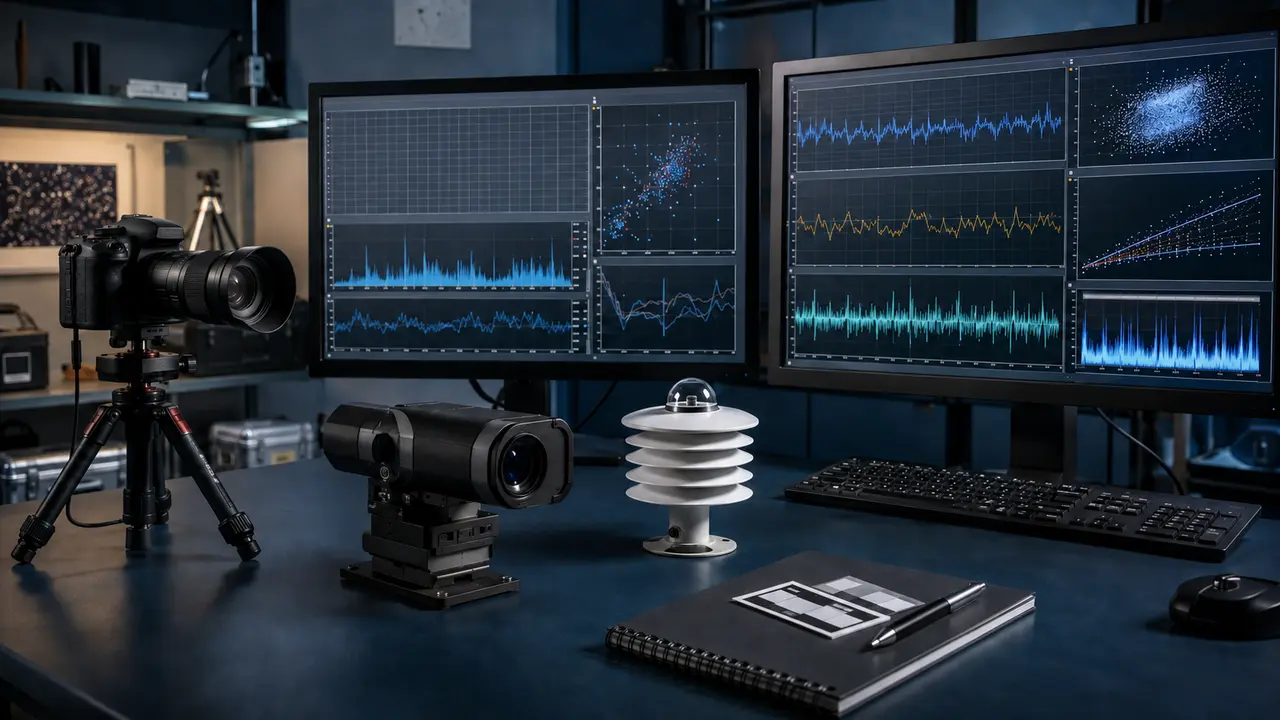
NASA announced on August 25 that Pandora is healthy, its instruments are performing well, and the mission has begun science observations. During its planned year of primary operations, the spacecraft will observe at least 20 exoplanets repeatedly in visible and near-infrared light, with long observing sessions that include planetary transits.
Pandora's central job is calibration: starspots and bright stellar regions can distort the chemical fingerprints astronomers attribute to a transiting planet's atmosphere. By measuring the planet and host star together, the team aims to separate those signals and improve interpretation of data from Webb and future observatories. The mission has begun; atmospheric findings have not yet been announced.
Why it matters
A biosignature search is only as good as its ability to separate a planet's atmosphere from the changing star behind it; Pandora is designed specifically for that problem.
What the source establishes
Confirmed: Pandora completed commissioning and began science. Prospective: the mission's measurements of hazes, clouds, water, and other atmospheric properties.
Published by Aliens in the Clouds. These AI-assisted summaries link to their sources and distinguish reported claims from established findings. Skinny Ed is a fictional mascot; High Thoughts are comedy. Send a correction with its source.