Skywatching Guide
NASA’s identification guide treats curiosity and ordinary explanations as allies
Worth Revisiting: the skywatching resource lists planets, launches, satellites, meteors, clouds, aircraft, and camera artifacts that can become honest mystery lights.
Briefed August 7, 2026 · Aliens in the Clouds
Worth Revisiting
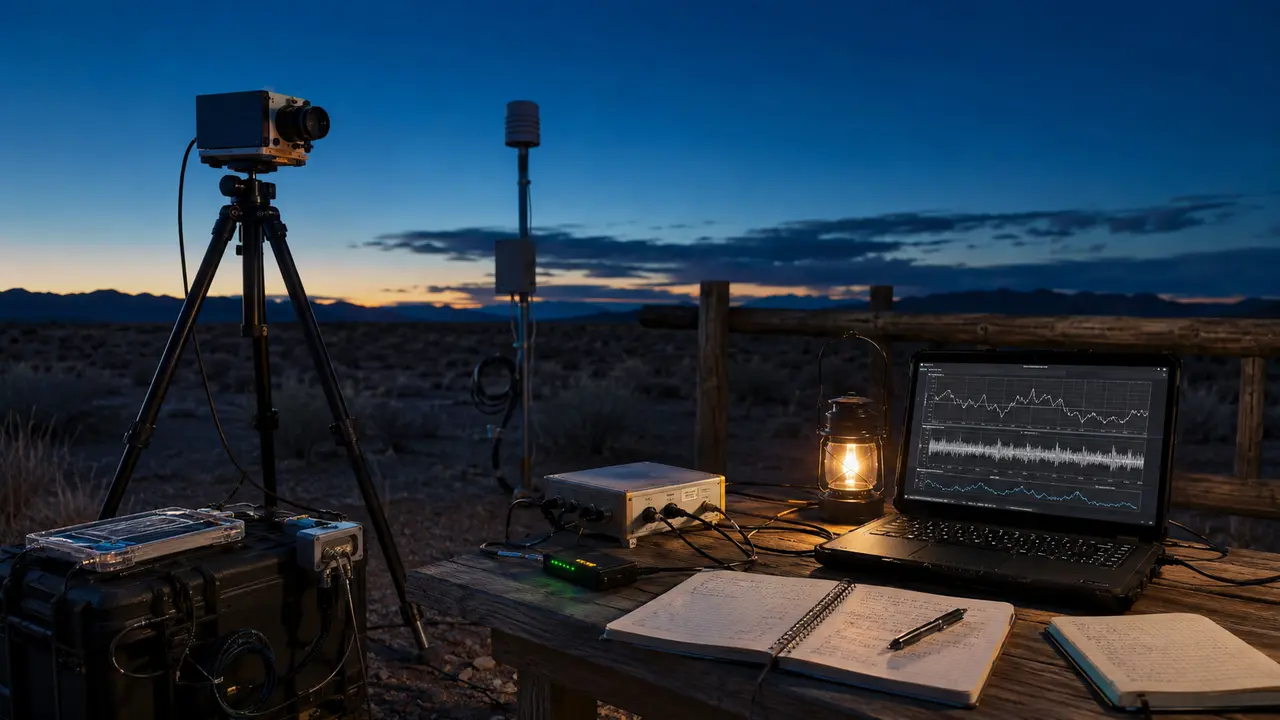
NASA’s Night Sky Network guide explains that Venus, Jupiter, Sirius, satellites, rocket launches, weather balloons, meteors, lenticular clouds, aircraft, and lens artifacts can all produce observations that are difficult to identify at first. It recommends recording time, location, direction, duration, motion, brightness, and environmental context.
The guide also asks experienced skywatchers to respond politely rather than dismissively. Identifying a conventional source does not discredit the observer; it converts curiosity into knowledge. When a case remains unresolved after those checks, the same details make the residual question more useful.
Why it matters
Respectful identification work improves reporting quality, teaches witnesses what to capture next time, and preserves ‘unresolved’ for cases that actually survive basic astronomical and photographic checks.
Published by Aliens in the Clouds. These AI-assisted summaries link to their sources and distinguish reported claims from established findings. Skinny Ed is a fictional mascot; High Thoughts are comedy. Send a correction with its source.