Habitability Research
NASA research links a solar system's galactic environment to habitability
Models suggest dense interstellar clouds can compress the heliosphere, while experiments explore how superflares may have helped warm early Earth.
Briefed August 25, 2026 · Aliens in the Clouds
Confirmed Research · Modeled Implications
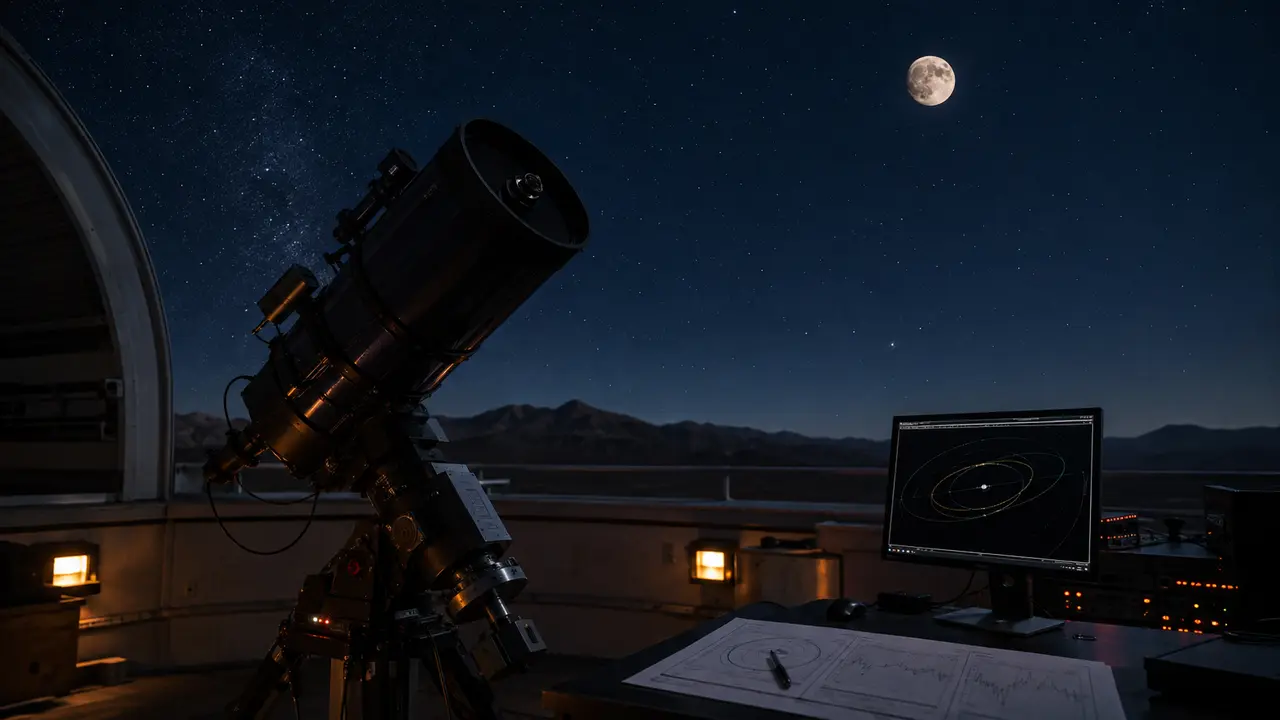
NASA summarized two funded studies on August 24. One research team modeled the Sun's path through the Milky Way and found that encounters with dense interstellar clouds may have compressed the protective heliosphere to inside Earth's orbit at several points in the past few million years, exposing the planet to a different radiation and particle environment.
A second team simulated the atmosphere of early Earth and found that energetic particles from frequent superflares could produce nitrous oxide, a strong greenhouse gas, potentially helping resolve how liquid water persisted beneath a young Sun that was much dimmer than today's. Both results are modeled or experimental explanations under continued study; neither proves a specific ancient climate episode.
Why it matters
Habitability may depend not only on a planet's distance from its star but also on the star system's movement through the galaxy and the changing behavior of its sun.
What the source establishes
Confirmed: the modeling and laboratory experiments were performed and published. Still under study: whether these mechanisms caused particular ancient climate changes on Earth.
Published by Aliens in the Clouds. These AI-assisted summaries link to their sources and distinguish reported claims from established findings. Skinny Ed is a fictional mascot; High Thoughts are comedy. Send a correction with its source.