Citizen Science Resource
You can investigate an alien world with a laptop—and NASA’s data
Worth Revisiting: Exoplanet Watch lets participants request telescope observations, analyze real light curves, and submit results to a scientific database without owning a telescope.
Briefed August 13, 2026 · Aliens in the Clouds
Worth Revisiting
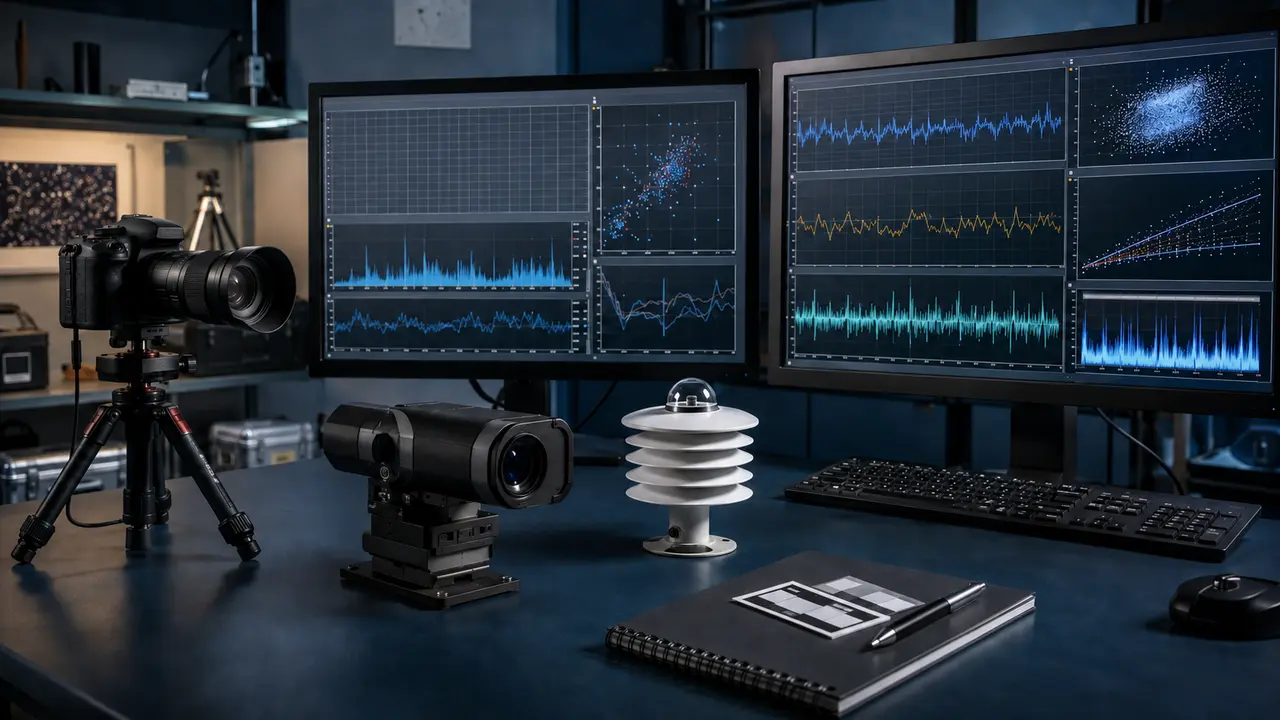
NASA’s Exoplanet Watch is a citizen-science project for students, beginners, amateur astronomers, and professionals. Participants can observe a known exoplanet transit with their own equipment or request data from remote robotic telescopes, then use the free browser-based EXOTIC software to turn the images into a light curve.
A small dip in a star’s brightness can mark a planet passing in front of it. Submitted results help refine transit timing, monitor host-star variability, confirm candidates, and plan observations with larger facilities. NASA says contributors receive unique identifiers and may receive authorship credit when their data is used in scientific publications.
Why it matters
It gives curious readers a direct route from watching the sky to handling real measurements—and shows what repeatable, shareable evidence looks like in practice.
What the source establishes
Exoplanet Watch studies known or candidate planets through transit data. A light-curve dip requires analysis and comparison; it is not by itself evidence of life or technology.
Published by Aliens in the Clouds. These AI-assisted summaries link to their sources and distinguish reported claims from established findings. Skinny Ed is a fictional mascot; High Thoughts are comedy. Send a correction with its source.