Space Communications
NASA adds a new 114-foot ear for deep-space missions
Deep Space Station 23 is now complete at Goldstone, expanding the network that tracks spacecraft, sends commands, and receives science data.
Briefed August 31, 2026 · Aliens in the Clouds
Confirmed Infrastructure Milestone
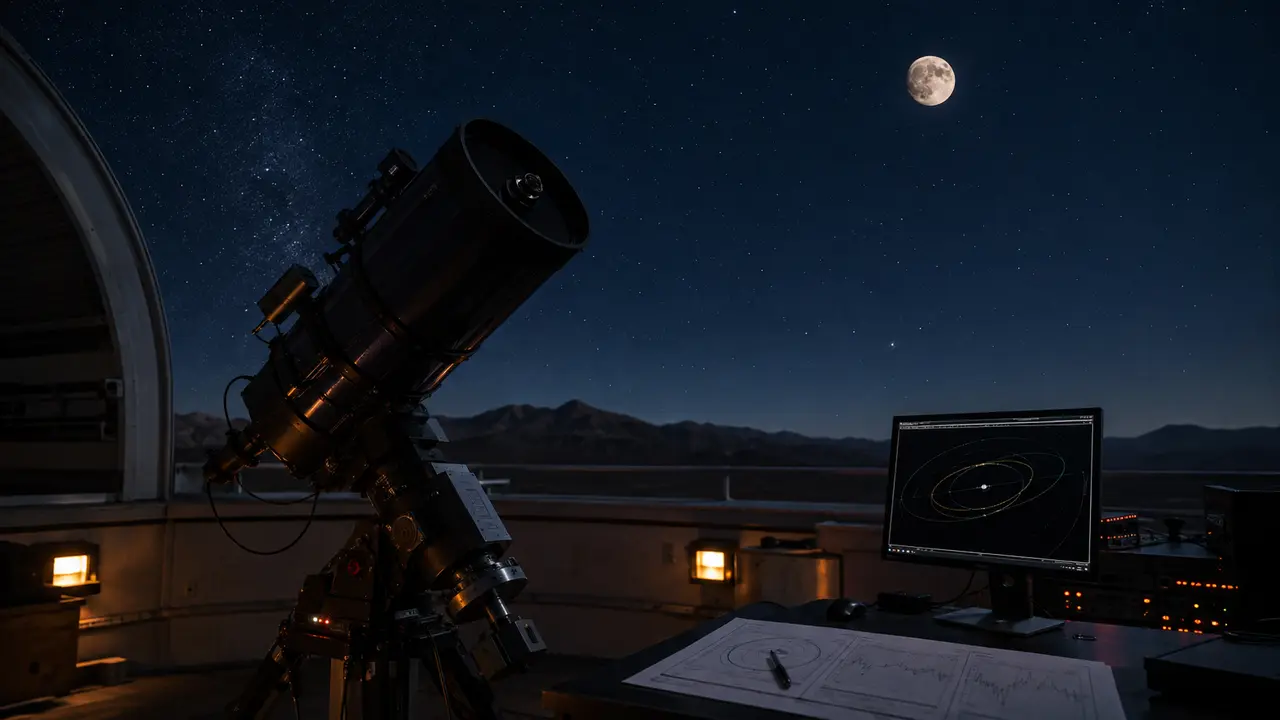
NASA has completed Deep Space Station 23, a 34-meter multifrequency beam-waveguide antenna at the Deep Space Network's Goldstone complex near Barstow, California. The agency held a ribbon-cutting on August 25 and published an updated photojournal entry on August 30, describing the dish as the latest addition to a six-antenna expansion begun in 2009.
The Deep Space Network uses facilities in California, Spain, and Australia to maintain communications with distant missions. DSS-23 increases real engineering capacity for tracking spacecraft, transmitting commands, and receiving scientific data across multiple radio bands. It is communications infrastructure for human-built missions—not a SETI receiver, a UAP sensor, or evidence of an extraterrestrial signal.
Why it matters
Better deep-space communications determine how much usable science distant missions can return, including the planetary and astronomical data that inform searches for habitable environments.
What the source establishes
Confirmed NASA antenna completion and operational purpose. No anomalous or extraterrestrial signal is reported.
Published by Aliens in the Clouds. These AI-assisted summaries link to their sources and distinguish reported claims from established findings. Skinny Ed is a fictional mascot; High Thoughts are comedy. Send a correction with its source.