Scientific Data Resource
NASA’s fireball database makes bright-sky reports testable
Worth Revisiting: CNEOS publishes dates, locations, altitudes, velocities, and energy estimates from government-sensor detections while stating the limits of the data.
Briefed August 10, 2026 · Aliens in the Clouds
Worth Revisiting
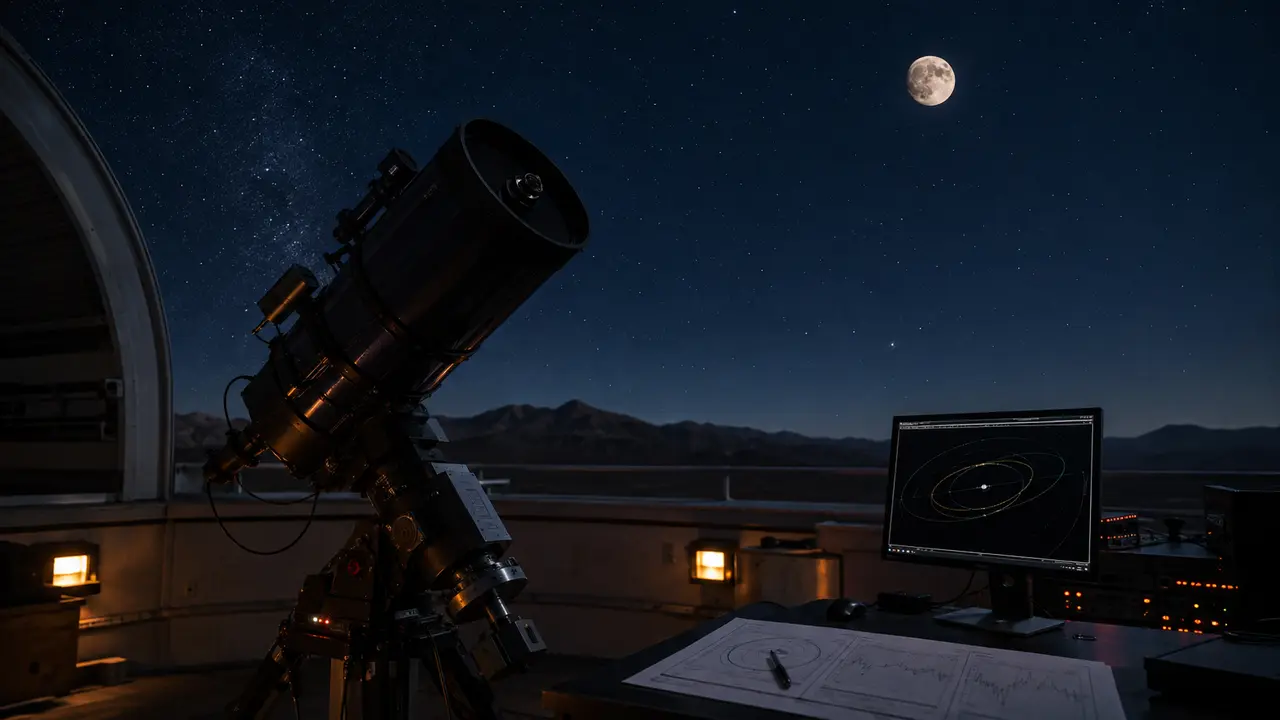
NASA’s Center for Near Earth Object Studies maintains a public table and map of fireballs and bolides detected by U.S. government sensors. Entries can include peak-brightness time, approximate location, altitude, velocity components, radiated energy, and calculated impact energy, with machine-readable downloads available for comparison work.
CNEOS says it does not independently verify or reanalyze the supplied events, that parameters can be revised, that reports are not real-time, and that not every fireball is included. Those cautions matter, but the database can still confirm whether a bright transient was independently detected near a witness’s time and viewing region—or show that the public record provides no match.
Why it matters
Time-stamped environmental comparison data can turn a dramatic light report into a testable hypothesis without pretending that a missing database match proves something extraordinary.
Published by Aliens in the Clouds. These AI-assisted summaries link to their sources and distinguish reported claims from established findings. Skinny Ed is a fictional mascot; High Thoughts are comedy. Send a correction with its source.