Aviation Resource
NASA’s confidential reporting system offers a model for collecting aerial hazards
Worth Revisiting: ASRS accepts voluntary, nonpunitive reports from aviation and drone personnel while stripping identifying information.
Briefed August 6, 2026 · Aliens in the Clouds
Worth Revisiting
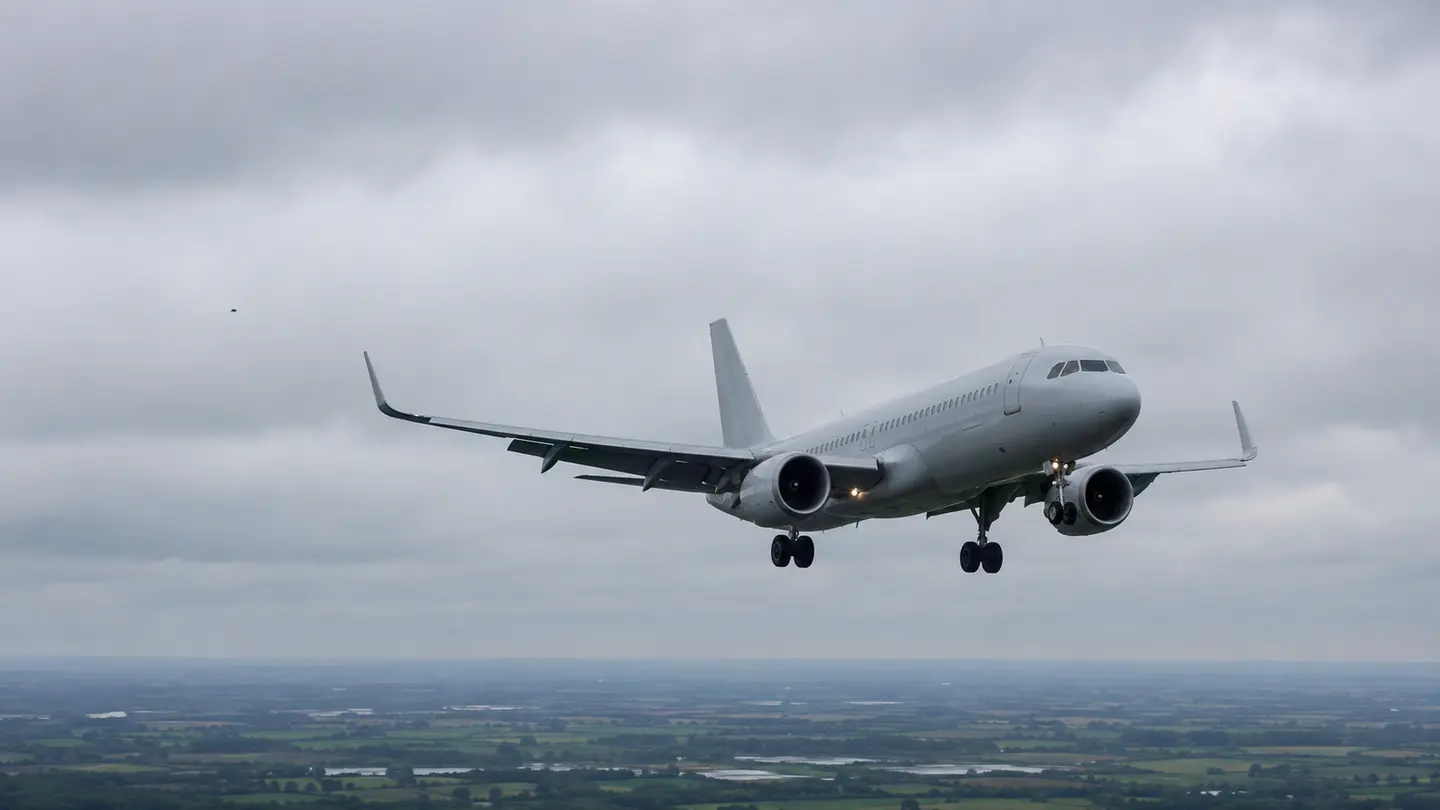
NASA’s Aviation Safety Reporting System invites pilots, air traffic personnel, cabin crews, maintenance staff, dispatchers, and drone operators to document safety incidents and close calls. For UAS operations, listed examples include near midair collisions, lost links, flyaways, airspace incursions, equipment problems, and encounters with other objects.
ASRS is a safety-reporting channel, not a program that determines whether an observation is an extraordinary UAP. Its value is the human-factors model: confidentiality encourages reporting, identifying information is removed, and narratives can reveal recurring hazards that might otherwise remain scattered or unreported.
Why it matters
UAP reporting improves when witnesses can document unusual aerial events without turning every report into a public identity test or an origin claim.
Published by Aliens in the Clouds. These AI-assisted summaries link to their sources and distinguish reported claims from established findings. Skinny Ed is a fictional mascot; High Thoughts are comedy. Send a correction with its source.