Space Security
The orbital sky is becoming harder to read
A Reuters investigation traces secretive spaceplanes, pursuit satellites, close approaches, refueling tests, jammers, and lasers in an increasingly contested domain.
Briefed September 3, 2026 · Aliens in the Clouds
Confirmed Capabilities · Intent Partly Inferred
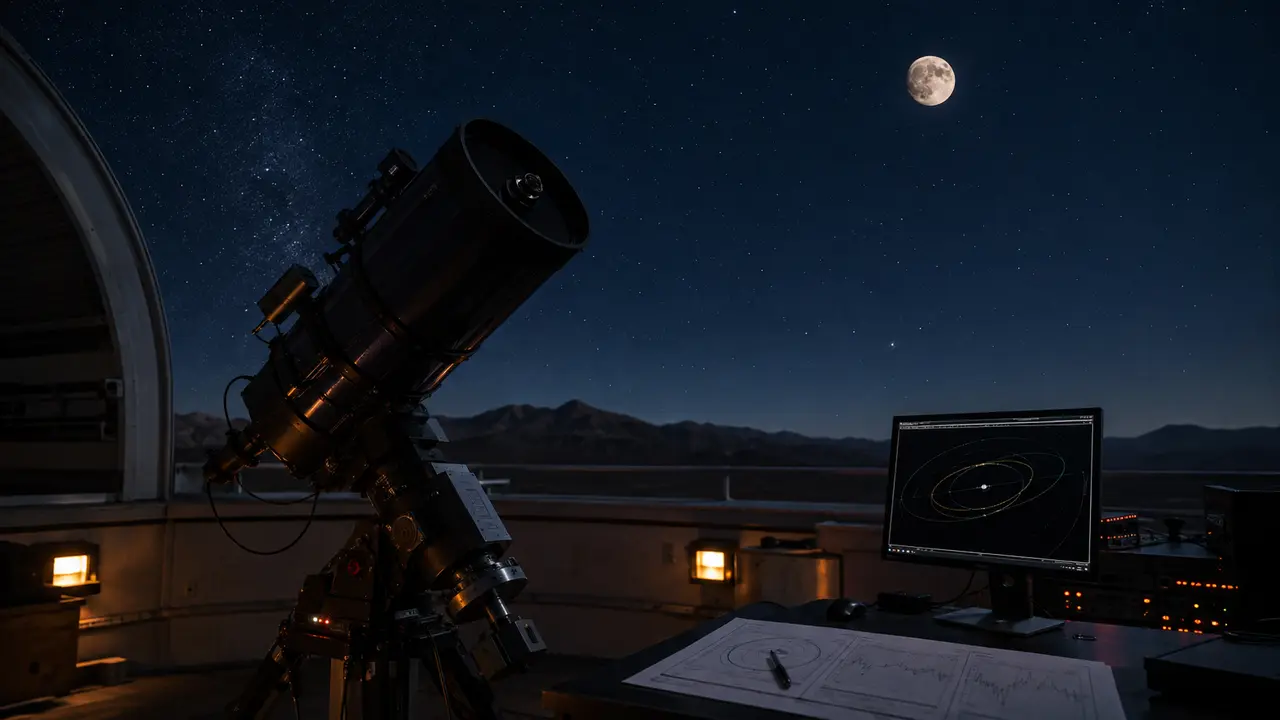
Reuters reviewed tracking data, official statements, patent-related documents, procurement notices, and interviews describing expanding United States and Chinese counterspace capabilities. A Chinese spaceplane released a small satellite in June that maneuvered around another Chinese spacecraft; the United States operates its own secretive X-37B spaceplane, while multiple countries field satellites capable of approaching and inspecting other objects in orbit.
The report also documents a 2025 U.S.-British operation near the path of a suspected Chinese intelligence satellite, China's work on autonomous pursuit and on-orbit refueling, and terrestrial systems designed to jam or disable spacecraft. Many of these technologies have legitimate inspection, servicing, or research uses, and publicly available tracking cannot always establish intent. They are nevertheless important conventional context whenever an unusual orbital object or maneuver is framed as mysterious.
Why it matters
An object can be unidentified because a mission is secret, a maneuver is ambiguous, or tracking data are incomplete; none of those conditions establishes an extraordinary origin.
What the source establishes
Confirmed multi-source Reuters investigation and quoted government statements. Specific military intent behind several observed maneuvers remains an analytical judgment rather than a disclosed mission plan.
Published by Aliens in the Clouds. These AI-assisted summaries link to their sources and distinguish reported claims from established findings. Skinny Ed is a fictional mascot; High Thoughts are comedy. Send a correction with its source.