Orbital Servicing Technology
A robotic servicer stops short of Swift
After attitude-control trouble canceled the planned boost, LINK tested its arms and thrusters and approached within 7.5 to 9 miles of the observatory.
Briefed September 5, 2026 · Aliens in the Clouds
Confirmed Demonstration · Primary Mission Scaled Back
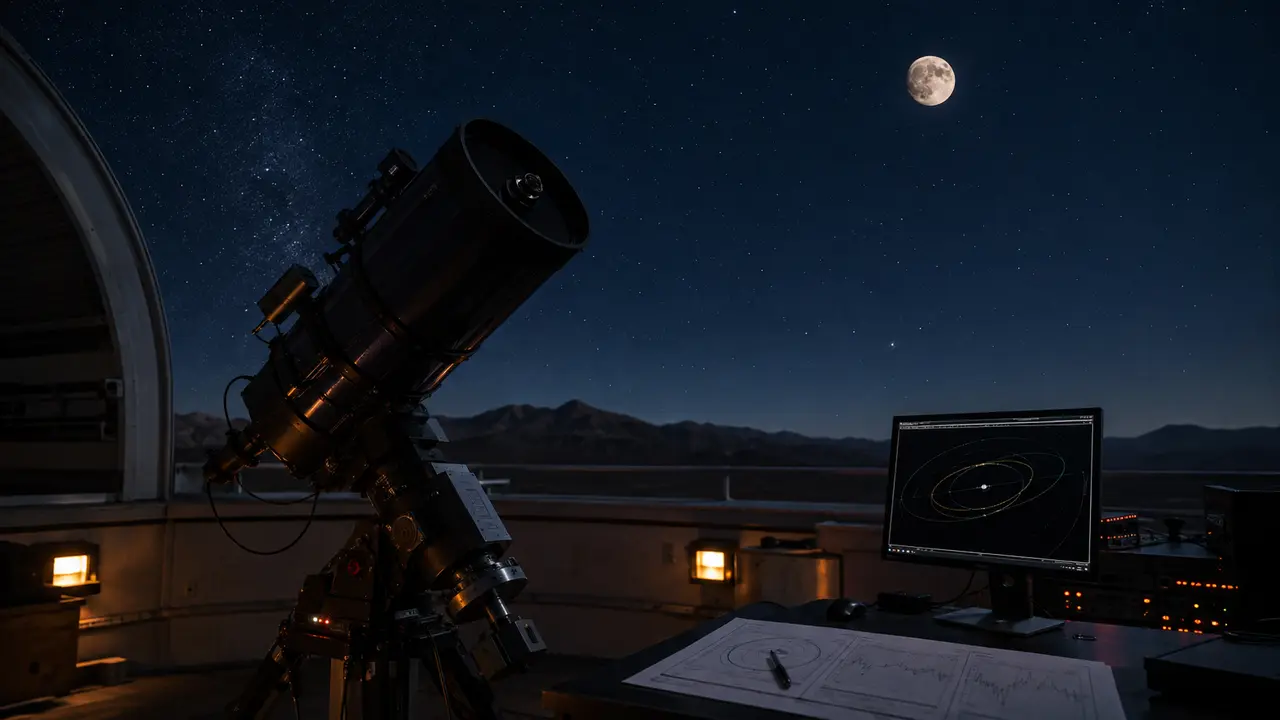
NASA says Katalyst Space continued an in-orbit technology demonstration with its LINK robotic servicing spacecraft after attitude-control issues forced the partners to abandon a planned orbit boost for the Neil Gehrels Swift Observatory. LINK raised and aligned its orbit, deployed all three robotic arms, and fired its three xenon-fueled electric thrusters simultaneously.
The servicing craft came within approximately 7.5 to 9 miles of Swift and will make no closer approach. Katalyst expects LINK to deorbit within two to three weeks. The update documents a deliberately managed proximity operation with known vehicles, telemetry, and limits—not an anomalous encounter—and it also records the mission shortfall instead of hiding it behind the successful tests.
Why it matters
Controlled close approaches and maneuverable servicing spacecraft are increasingly important conventional context when an unfamiliar object or orbital motion appears in public tracking data.
What the source establishes
Confirmed NASA operational update. The planned Swift boost was canceled; the proximity, arm, and thruster demonstrations occurred under controlled mission operations.
Published by Aliens in the Clouds. These AI-assisted summaries link to their sources and distinguish reported claims from established findings. Skinny Ed is a fictional mascot; High Thoughts are comedy. Send a correction with its source.