Current Image & Data Collection
ESA assembles the first full visual record of Europe’s eclipse
New telescope, satellite, and ground images trace the August 12 event from first contact through totality, including the corona, prominences, and Moon-shadow views from orbit.
Briefed August 15, 2026 · Aliens in the Clouds
Confirmed
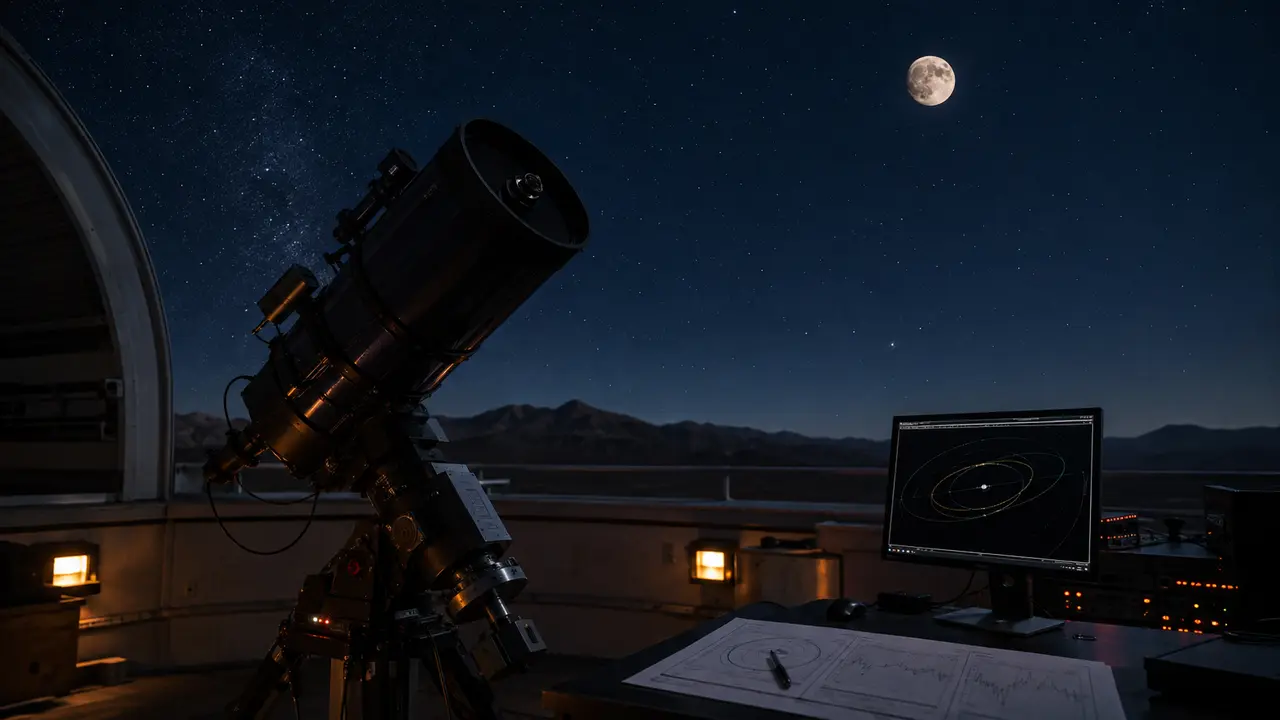
ESA published its eclipse look back on August 14, combining public photographs with telescope feeds from León, Palencia, and Javalambre in Spain. The collection records Baily’s beads and the diamond-ring effect at the lunar edge, the white solar corona during totality, and red prominences close to the Sun’s surface.
The package also includes the Moon’s shadow crossing Earth as observed by the MTG-I1 weather satellite and a double eclipse captured by ESA’s Proba-3 formation-flying mission. In León, tactile models and LightSound sensors translated changing brightness into sound, giving blind and visually impaired participants another way to experience the event.
Why it matters
Multiple synchronized viewpoints turn a spectacular sky event into a documented data set—and show how very different an event can appear from the ground, a telescope, and orbit.
What the source establishes
These images document a predicted astronomical alignment. Differences in brightness, color, apparent shape, and timing reflect location, instrument, exposure, and stage of the eclipse rather than separate unexplained events.
Published by Aliens in the Clouds. These AI-assisted summaries link to their sources and distinguish reported claims from established findings. Skinny Ed is a fictional mascot; High Thoughts are comedy. Send a correction with its source.