Public Science Database
Fireball reports become stronger when separate witnesses converge
Worth Revisiting: the American Meteor Society organizes public observations by event and preserves timing, direction, brightness, color, duration, and trajectory clues.
Briefed August 18, 2026 · Aliens in the Clouds
Worth Revisiting
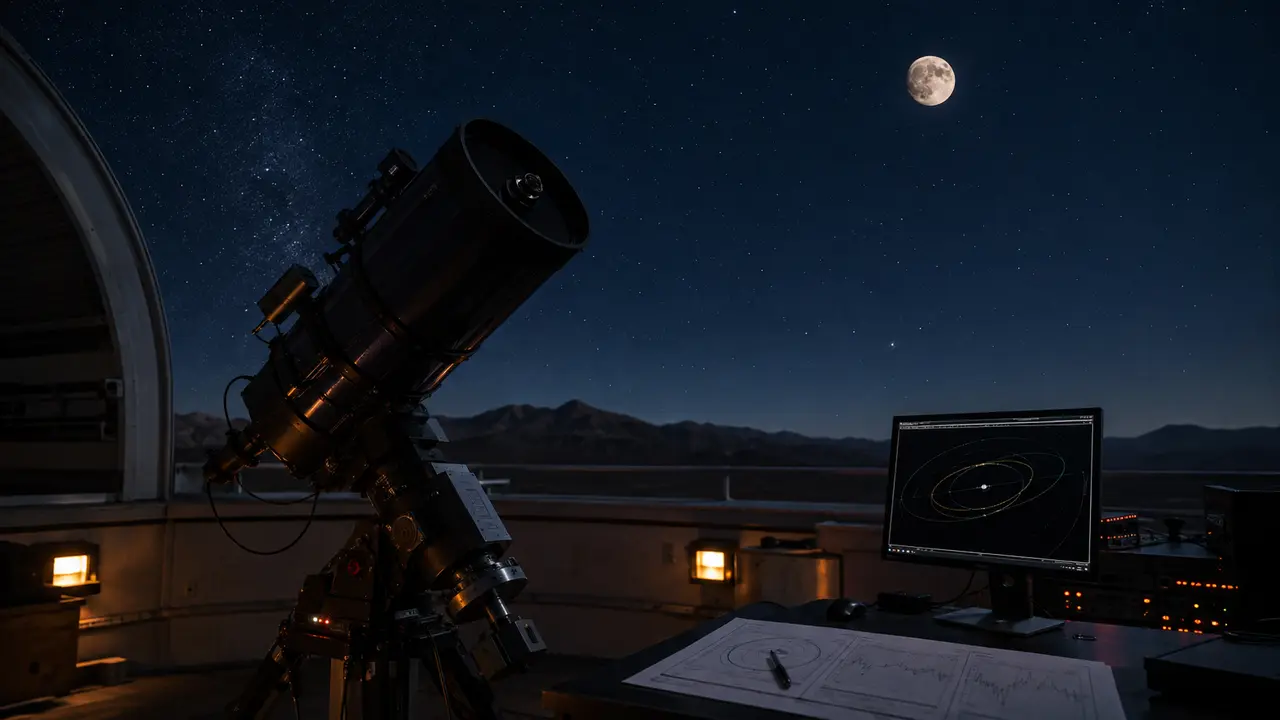
The American Meteor Society asks observers of very bright meteors to record how long the event lasted, where it began and ended against the sky, its compass direction and elevation, brightness, color, and any fragmentation. Submitted reports are reviewed, linked to events when possible, shared with partner organizations, and retained in public annual logs.
The reporting form also warns that a typical fireball lasts only seconds and should not be confused with slow blinking lights, recurring objects, satellites, aircraft, or long-lived launch plumes. Multiple geographically separated reports can help reconstruct a trajectory; one dramatic description alone cannot.
Why it matters
A structured fireball database gives investigators a way to test short, fast, bright observations against an independent natural-event record rather than relying on visual resemblance alone.
What the source establishes
AMS event logs aggregate public reports and expert review, but coverage depends on witnesses submitting observations. No match is useful context, not proof that a reported light was non-meteoritic.
Published by Aliens in the Clouds. These AI-assisted summaries link to their sources and distinguish reported claims from established findings. Skinny Ed is a fictional mascot; High Thoughts are comedy. Send a correction with its source.